Why I Stopped Submitting to Open Calls and Photography Competitions

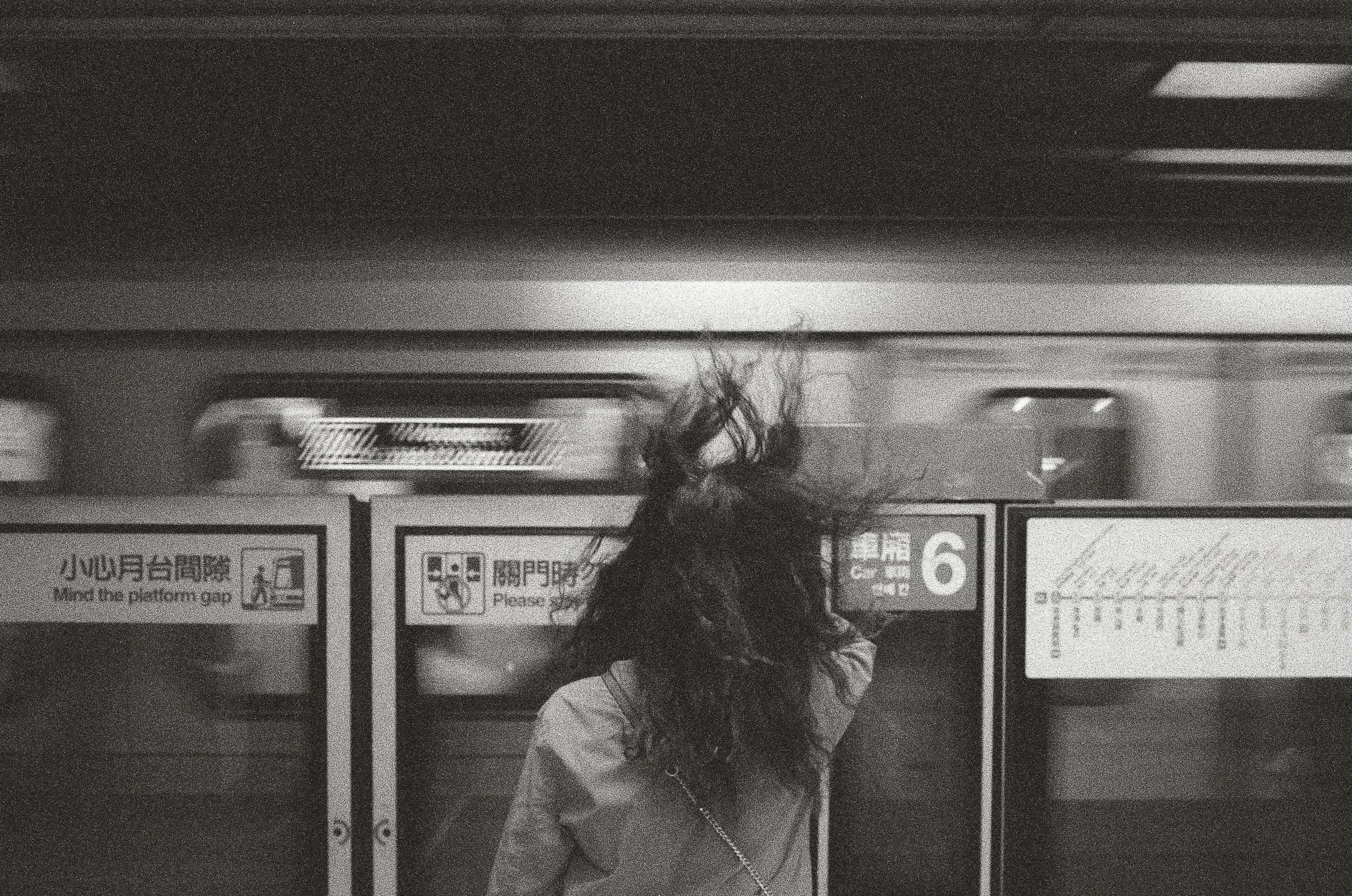
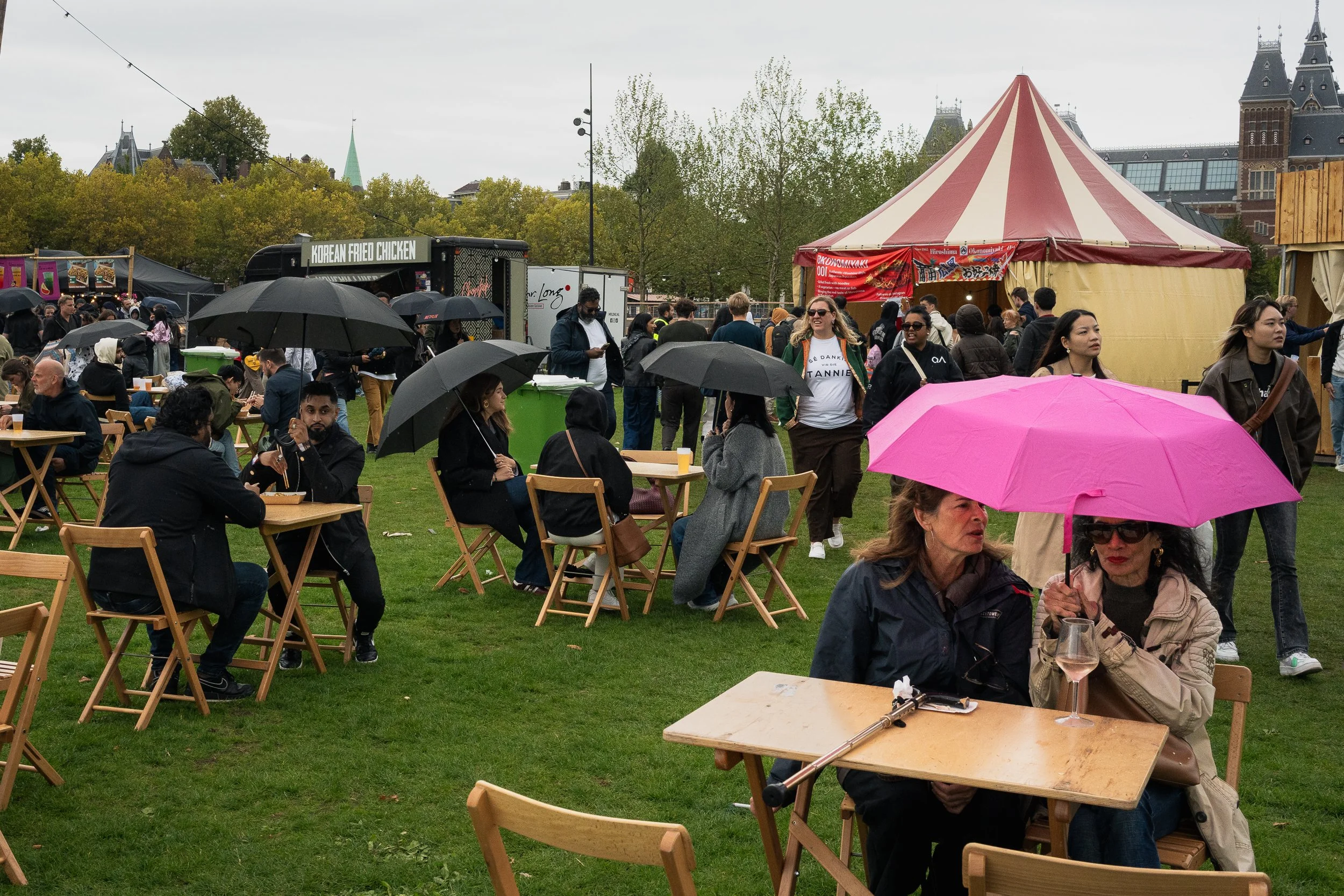
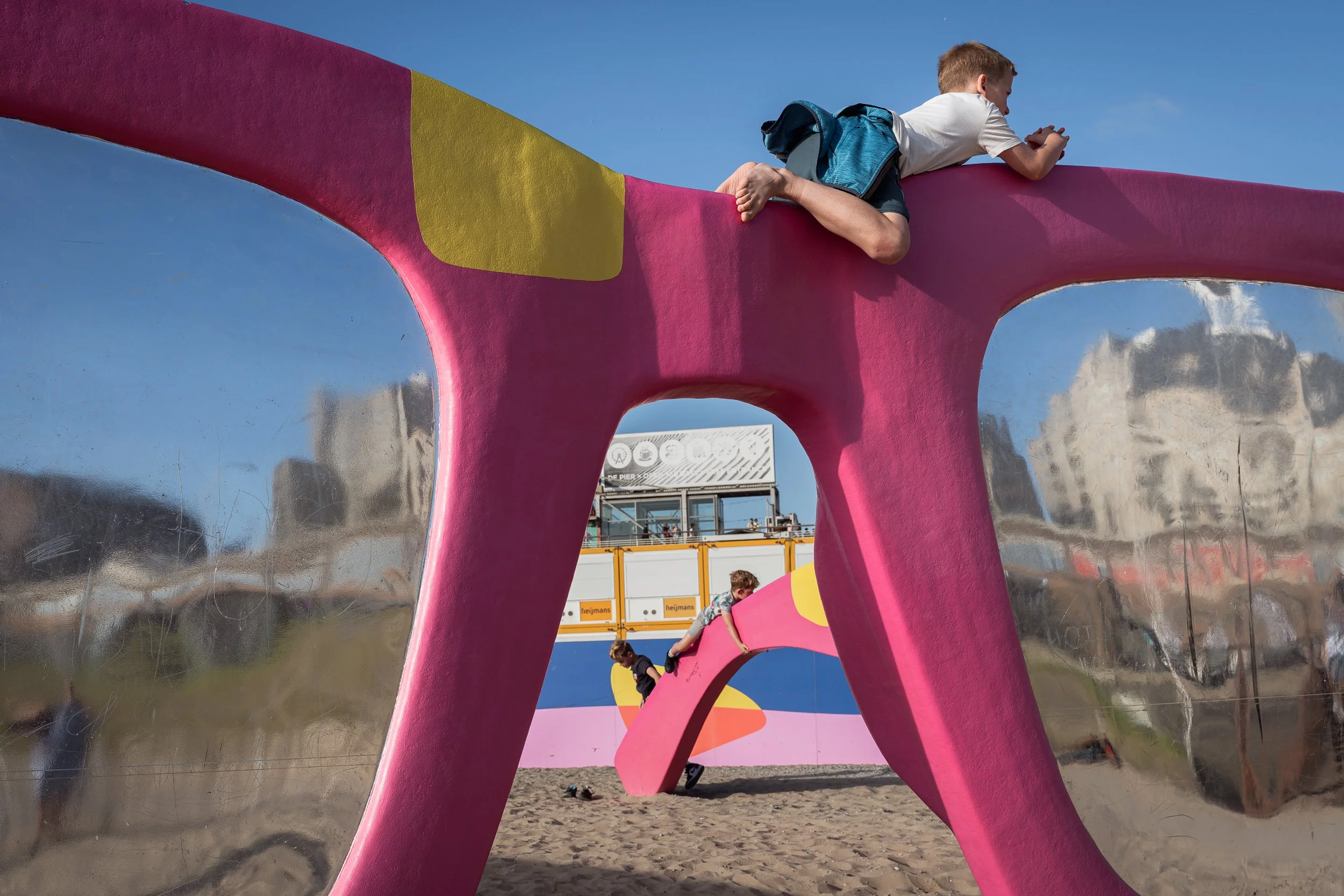
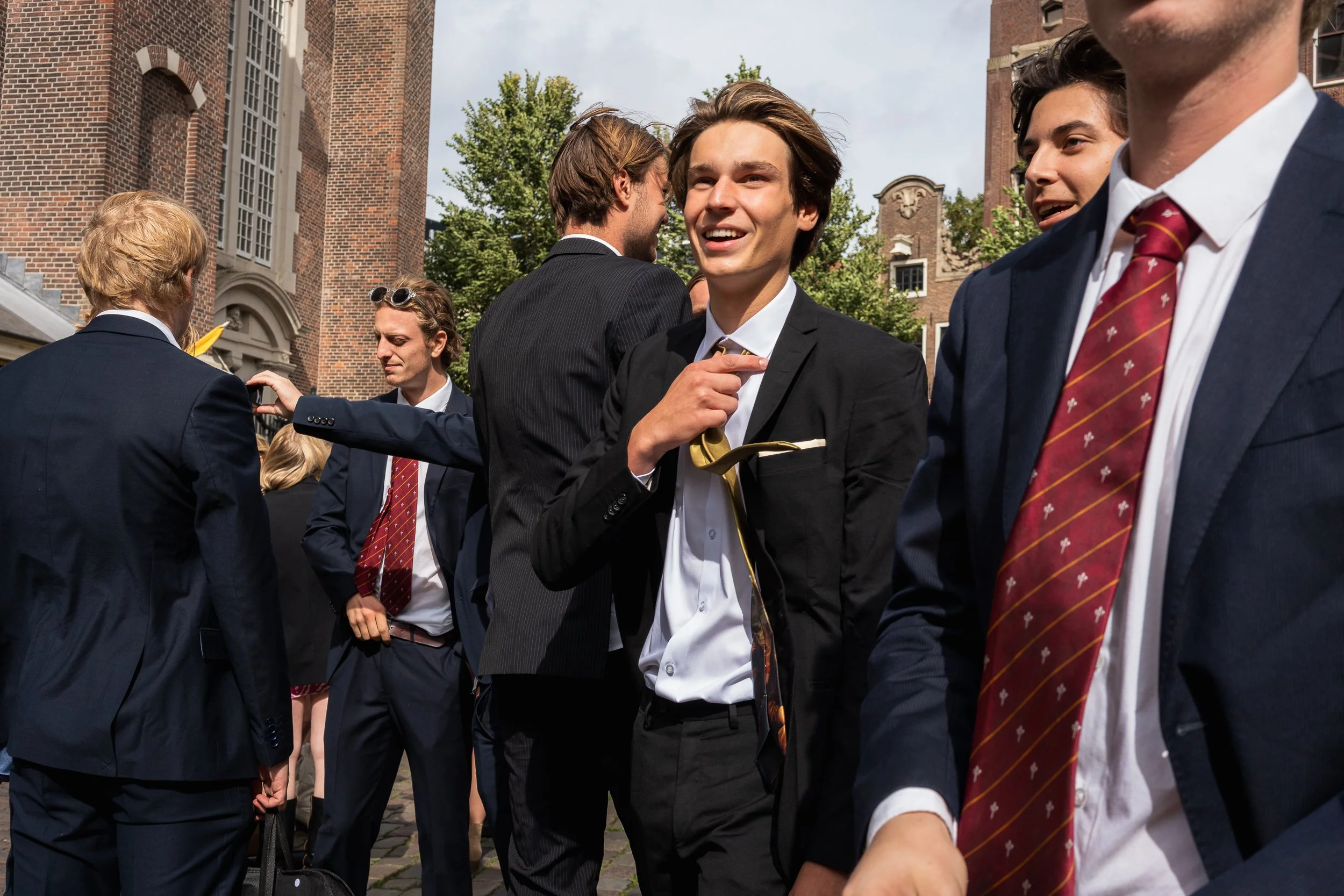
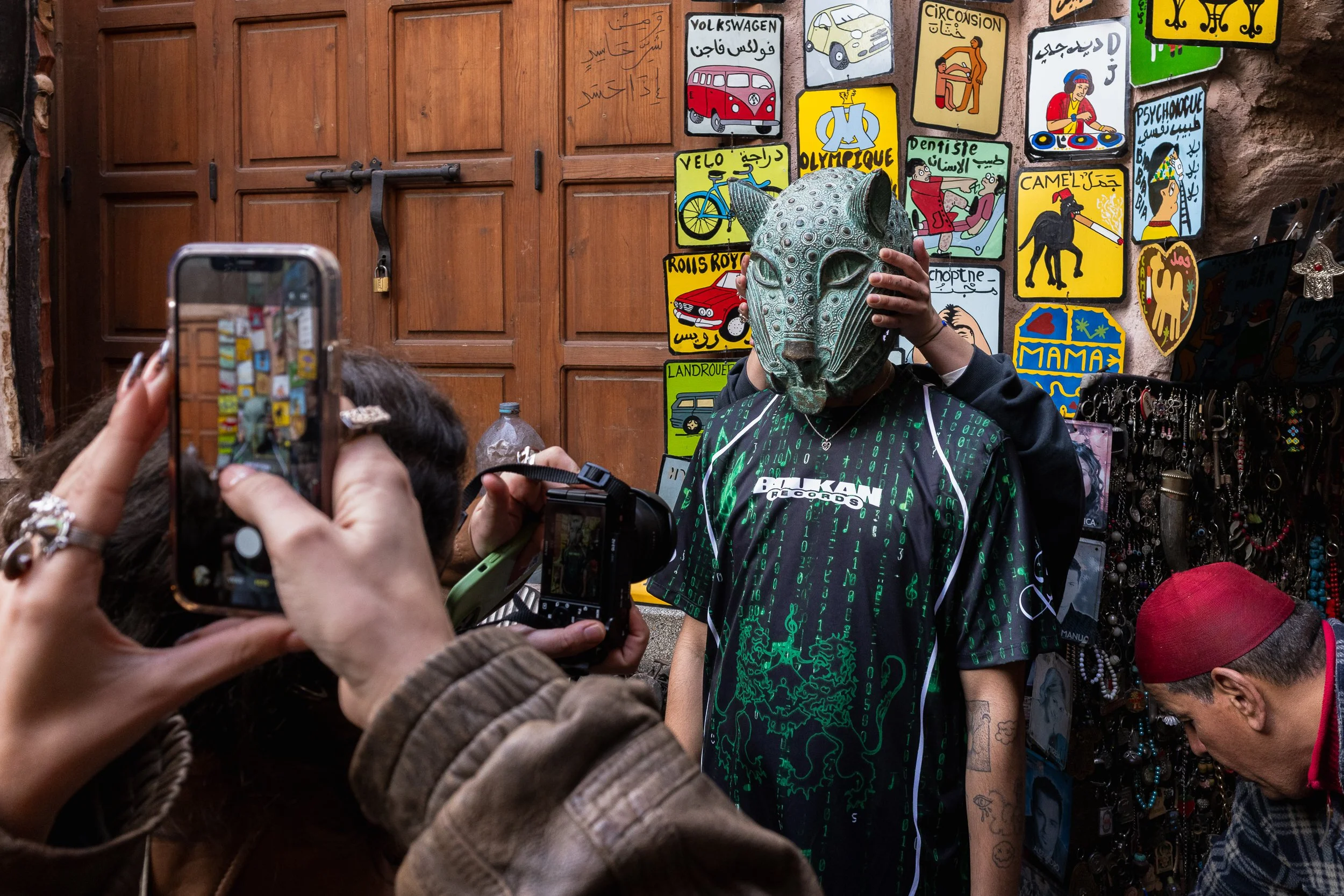
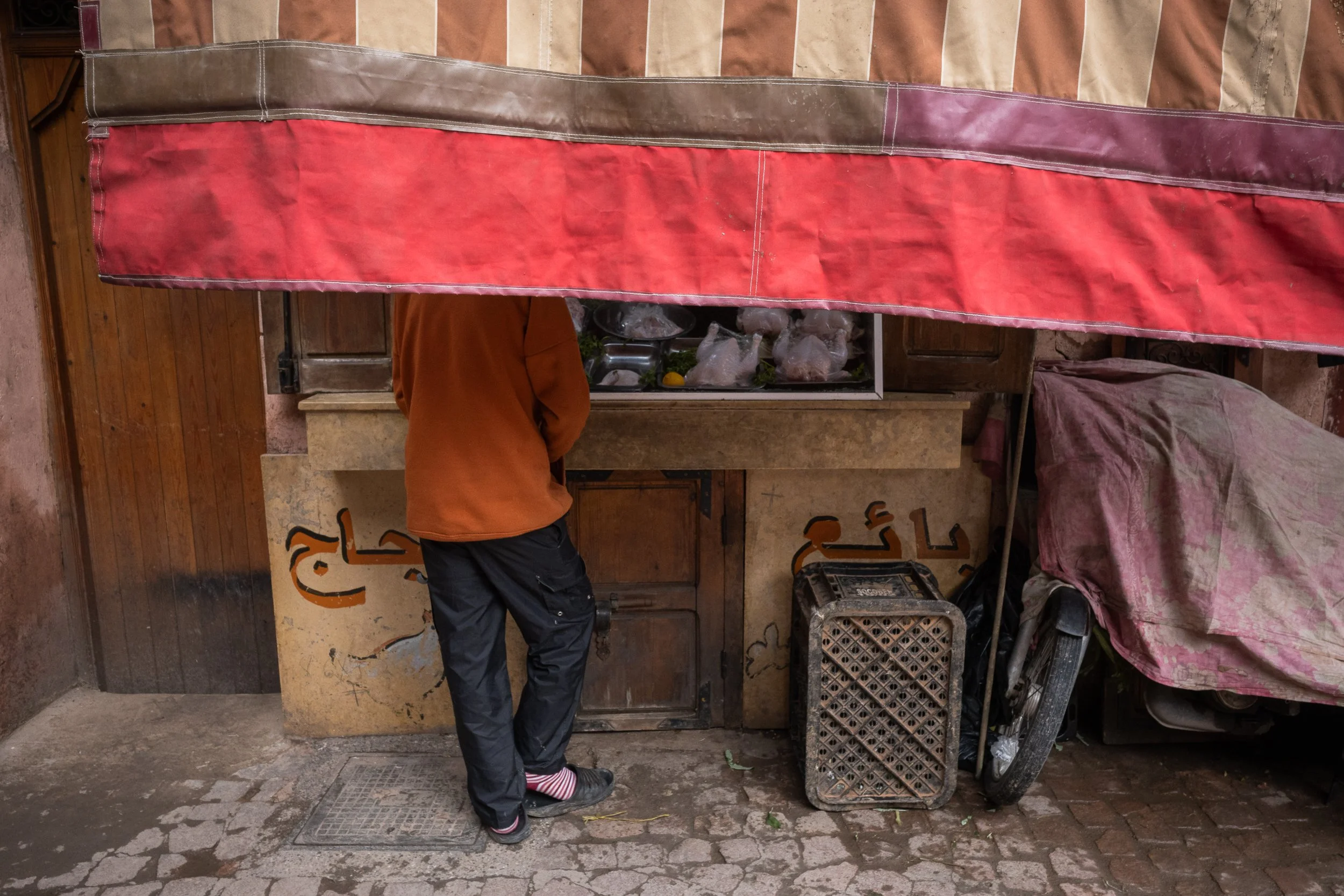
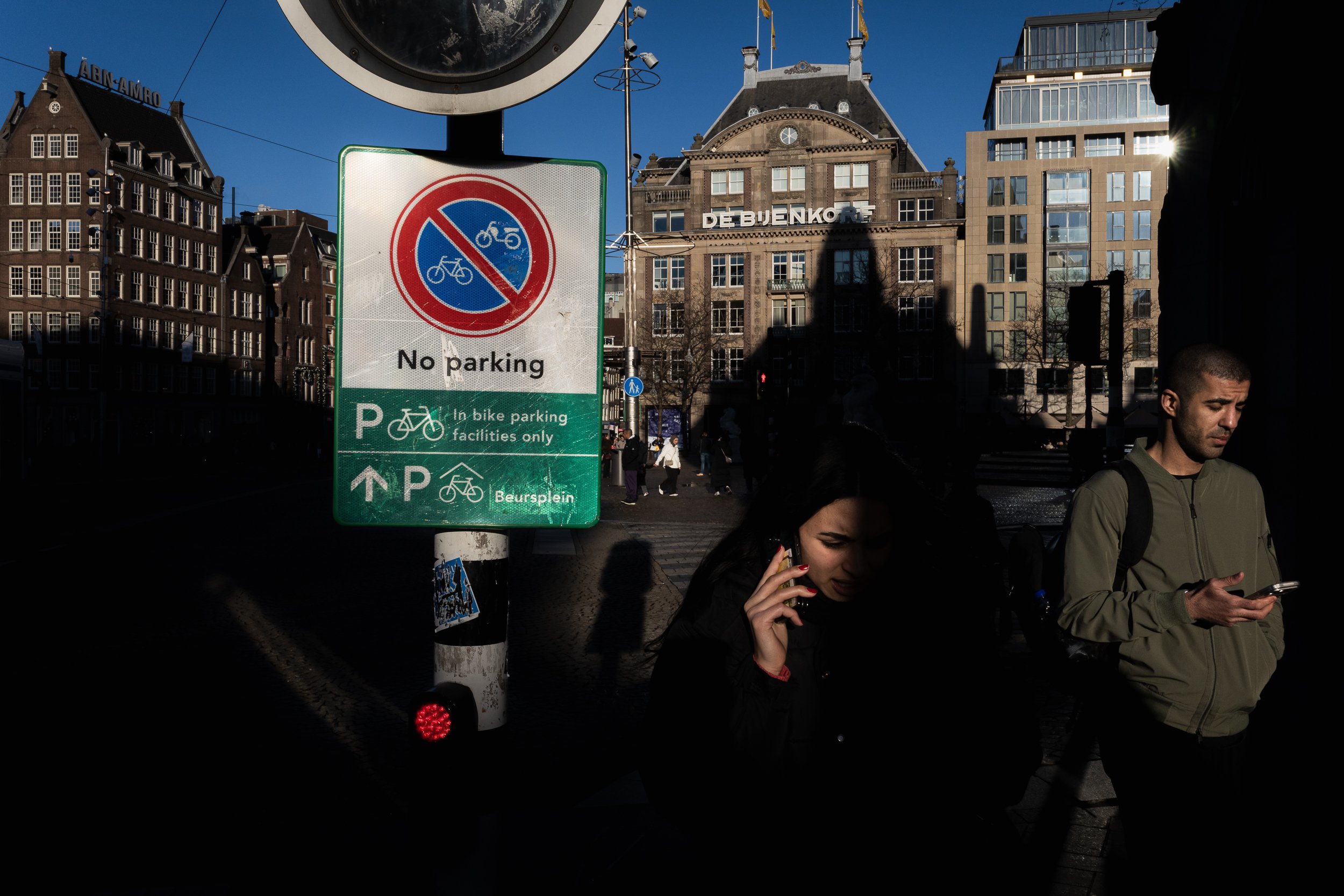
The photos featured in this blog has been submitted to at least one open call or street photography competition.
Last year I spent over $250 and countless hours curating photographs for open calls and street photography competitions. Like many photographers, I was chasing recognition. I wanted my work to be seen and if I am honest with myself, awarded. In the beginning it felt exciting and fun, but the more I got involved, the more overwhelmed I became. Suddenly, my Instagram feed became full of posts and ads about open calls deadlines, themes and winners, instead of actual street photography.
After stepping back and taking some time to reflect on the situation, I decided to write this blog. My goal is not to argue whether competitions are good or bad, but rather to share my viewpoint and make a mental note for myself. Here are the main reasons why I decided to stop joining photo competitions.
Seeking Validation
After a long time of self-reflection, trying to understand from my own experience why these open calls attracted me so much, I came to the following realization. Whether we like to admit it or not, one of the biggest reasons we submit our photos is to seek validation and satisfy our ego. We want to feel seen and heard. We want our work to be recognized and appreciated. I have noticed that this is especially common among beginners or people who have just started with photography. There is nothing wrong with wanting to showcase your work, but I believe there are better ways to do that.
Street Photography Is Subjective
Like many other art forms, selecting photographs that stand out is an inherently subjective process. Even though there are general guidelines and technical aspects that make a good photograph, at the end of the day the way we understand a scene and why we think one photo is better than another comes from our own experiences, personal taste, and the way we interpret the world around us. That means that not necessarily the best photographs become finalists or winners, but rather the photographs that best match the vision and taste of the judge.
Rewarding the Familiar
Another thing I have noticed is how much repetition there is among winning photos. I am not only talking about the same photographs winning across multiple competitions, but also about the same concepts and visual ideas appearing over and over again. How many more finalist photos are we going to see from the Galata Bridge in Istanbul, people jumping on trains in India, or reflections built around the same concept? Of course, there is nothing wrong with photographing these subjects. But once a concept has been recognized, it would be refreshing to see something new.
The Blurred Lines of Street Photography
This is one of the hottest topics in the street photography community right now. The line between what is and isn't street photography has never been thinner. In many street photography competitions, winning photos are no longer just candid captures but also posed street portraits, staged scenes, and even drone photographs! Not to mention the growing number of cases where AI-generated images have made it to the finalist stage, even in some very prestigious competitions.
A Revenue-Driven Business Model
Not all open calls are created equal or with the same intentions in mind. There are some genuinely well-intented efforts out there for supporting photographers and bringing people together. But the truth is that many photo competitions feel more like revenue-driven businesses than community projects. It has become a small business model for individuals and groups, with the goal of making it their main source of income. To make matters worse, many open calls offer little in return besides temporary online exposure. The space has become so overcrowded that it is becoming increasingly difficult to distinguish the genuine initiatives from those mainly focused on generating revenue.
Open Calls Are Expensive
Open calls have become increasingly expensive, and submission fees can quickly add up if you enter multiple competitions throughout the year. On average, most open calls cost around $30–$40 to submit 3–6 photos. If your work is not selected, your money is simply gone. For the same amount, you could buy a photography book that might provide far more value. It could inspire you, teach you something new, and on top of that, it is something you can keep on your shelf forever!
The Upside Is Small
Some competitions offer a decent cash prize and, if you are lucky, you might even win $1,000 or more. But with thousands of photographers submitting their work, the odds are extremely low. In many ways, it feels like winning the lottery. Even if you do happen to win, you probably do not make much real profit. In many cases, winning requires submitting your photos to multiple open calls, so once you subtract all the submission fees, the upside is actually quite small. Moreover, if you are hoping for any lasting visibility or recognition, that rarely happens either. Most of these competitions run regularly, often every month, and winners are easily forgotten before the next ones are even announced.
Am I Going To Submit Photos Ever Again?
To say that I will never submit my photographs again would be like having a bad day and saying I will never take photographs again. There are still cases where I think it is worth doing. But moving forward, my focus will shift. While I am stopping for now, I am going to set a smaller budget for next year, and I am going to be very selective with my submissions.
One area I will continue to prioritize is festivals or events that I am planning to attend and feature a physical exhibition. I am not talking about events where there is little or no curation and you basically rent a space on the wall to showcase your work (aka vanity galleries). I am referring to long-standing street photography festivals and events that align with my values, genuinely benefit the community, and offer something more than temporary exposure.
Submitting to those events is, in my opinion, a way of supporting the organizers. It takes a tremendous amount of effort to organize these events, and in many cases the exhibitions, talks, and activities are offered for free. In that case, whether I win or not becomes irrelevant. My submission is simply a way of giving something back to the community rather than satisfying my own ego or seeking validation.