Sony A7C II Long Term Review - Still Worth It 2 years later?

This article contains affiliate links. If you purchase through them, I may earn a small commission at no extra cost to you.
Two Years Later
The Sony A7C II was released in September 2023 and it came with mind-blowing technology packed into one of the smallest full-frame bodies ever made. This unique mix of power and portability made it a top choice for street photographers and travel creators. But two years later, the question remains, is it still worth it?
I’ve been using the A7C II as my main camera for the past two years for street photography, for capturing travel B-roll, and filming all my YouTube videos. So in this review, I’ll share my real-world experience, the pros, the cons, and whether the A7C II still holds up today. I won’t dive into technical specs much but instead I will focus on real life and everyday use.
What I Like About the A7C II
After two years of use, here’s what I’ve liked most about the Sony A7C II in real-world shooting.
User Experience
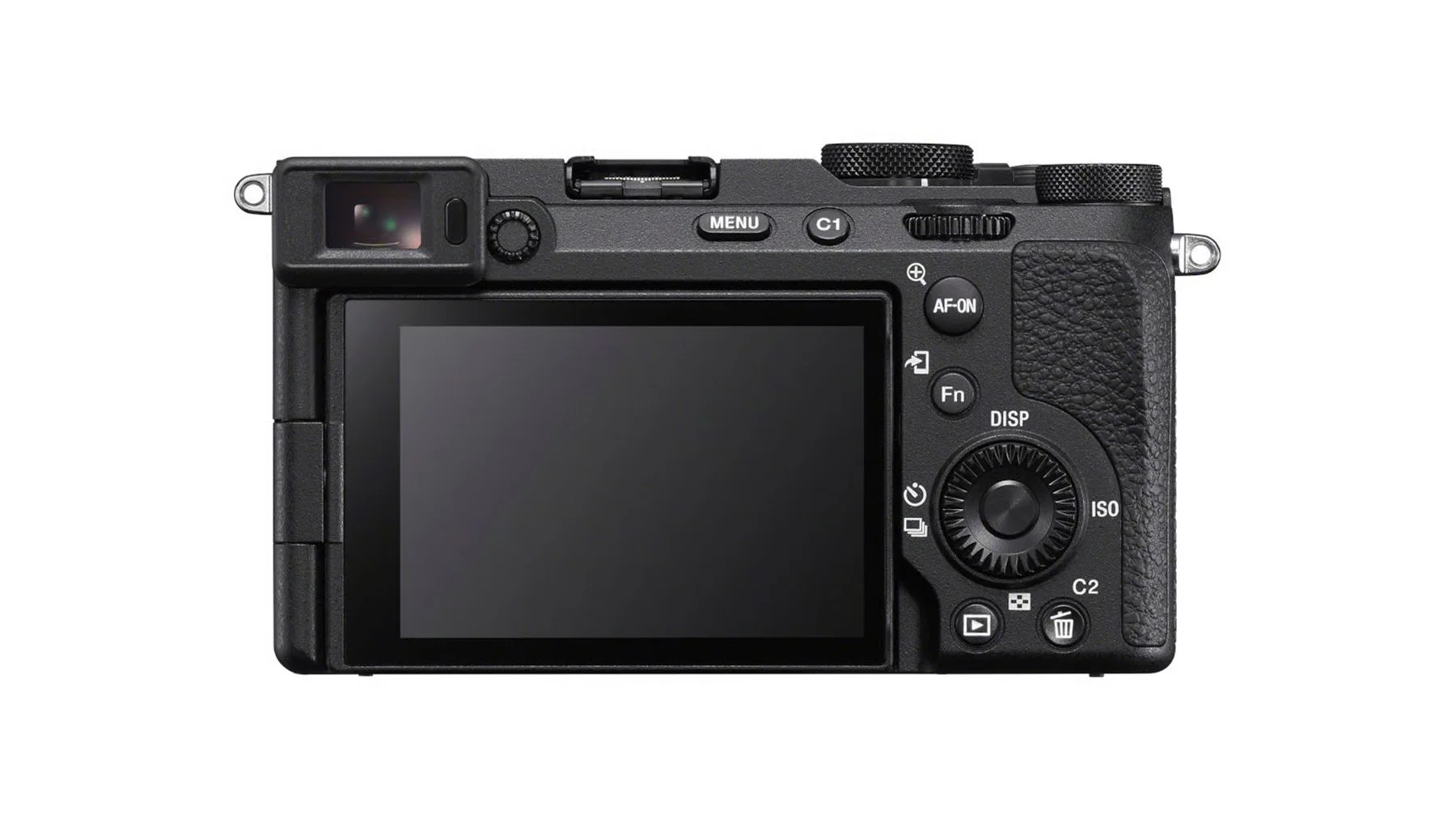
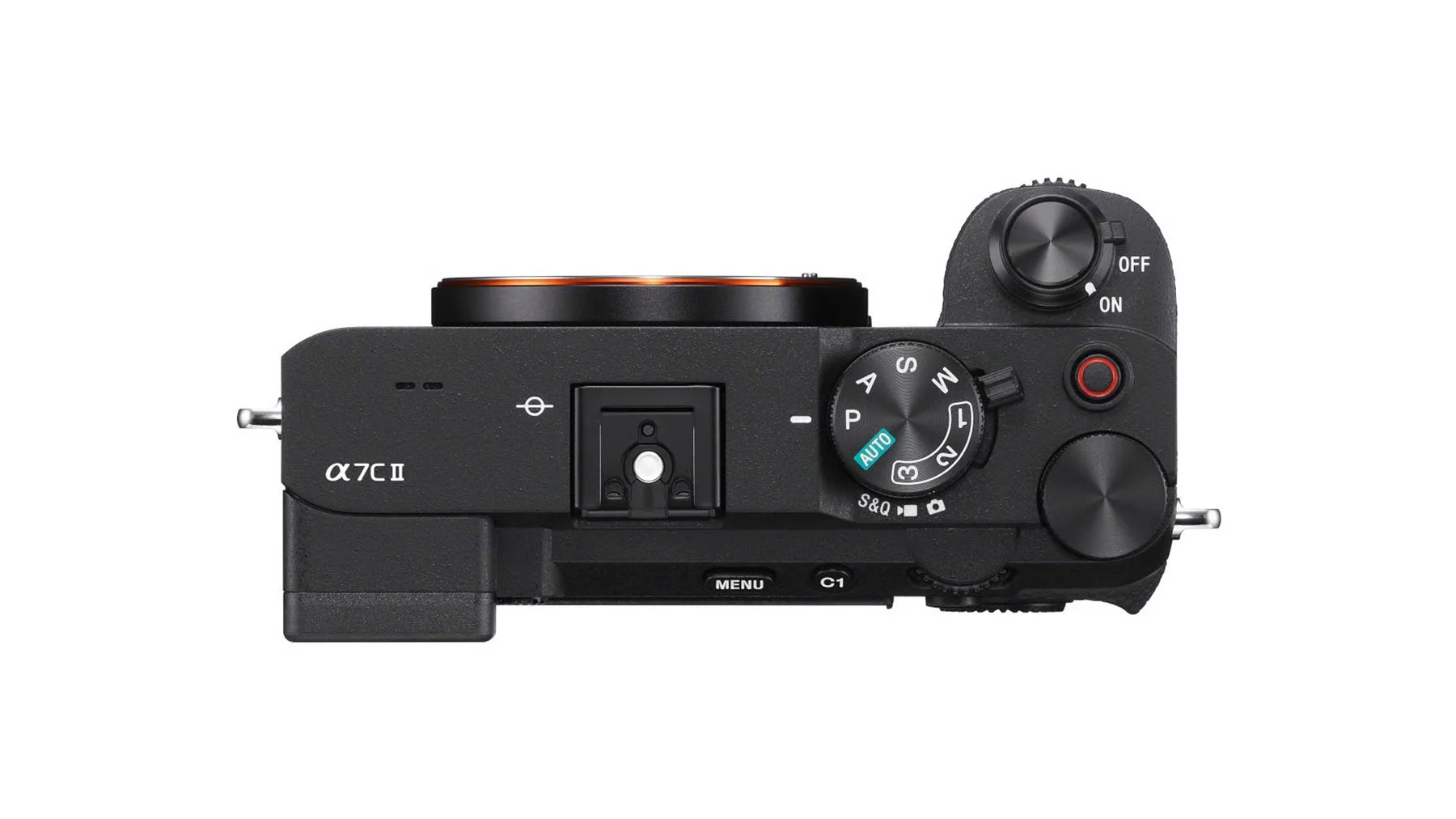
Let’s start with an important topic that is often overlooked. The Sony A7C II comes with plenty of dials and buttons and the best part is that all of them are customizable.
You can assign almost any function to every control, tailoring the camera exactly to your workflow. For example it has four dials and you can set each to manage shutter speed, aperture, ISO/exposure and still have one to spare for other use cases. To give you another example, a couple of important functions that I like to use are subject tracking (when photographing) and zebra patterns (when exposing S-Log video) which I have assigned to custom buttons so I can use them instantly.
Moreover, it is worth mentioning that the Sony A7C II is a very responsive camera. Powering on/off takes less than 1 second and switching between photo and video mode happens instantly. This is extremely useful especially when I am capturing street photos and want to quickly switch over and capture a B-roll of the same scene. All of these make the Sony A7C II an absolute pleasure to use.
Low Light Performance
One of the areas that the Sony A7C II trully shines, is in low-light performance. The full-frame sensor delivers clean, detailed images even in challenging light conditions.
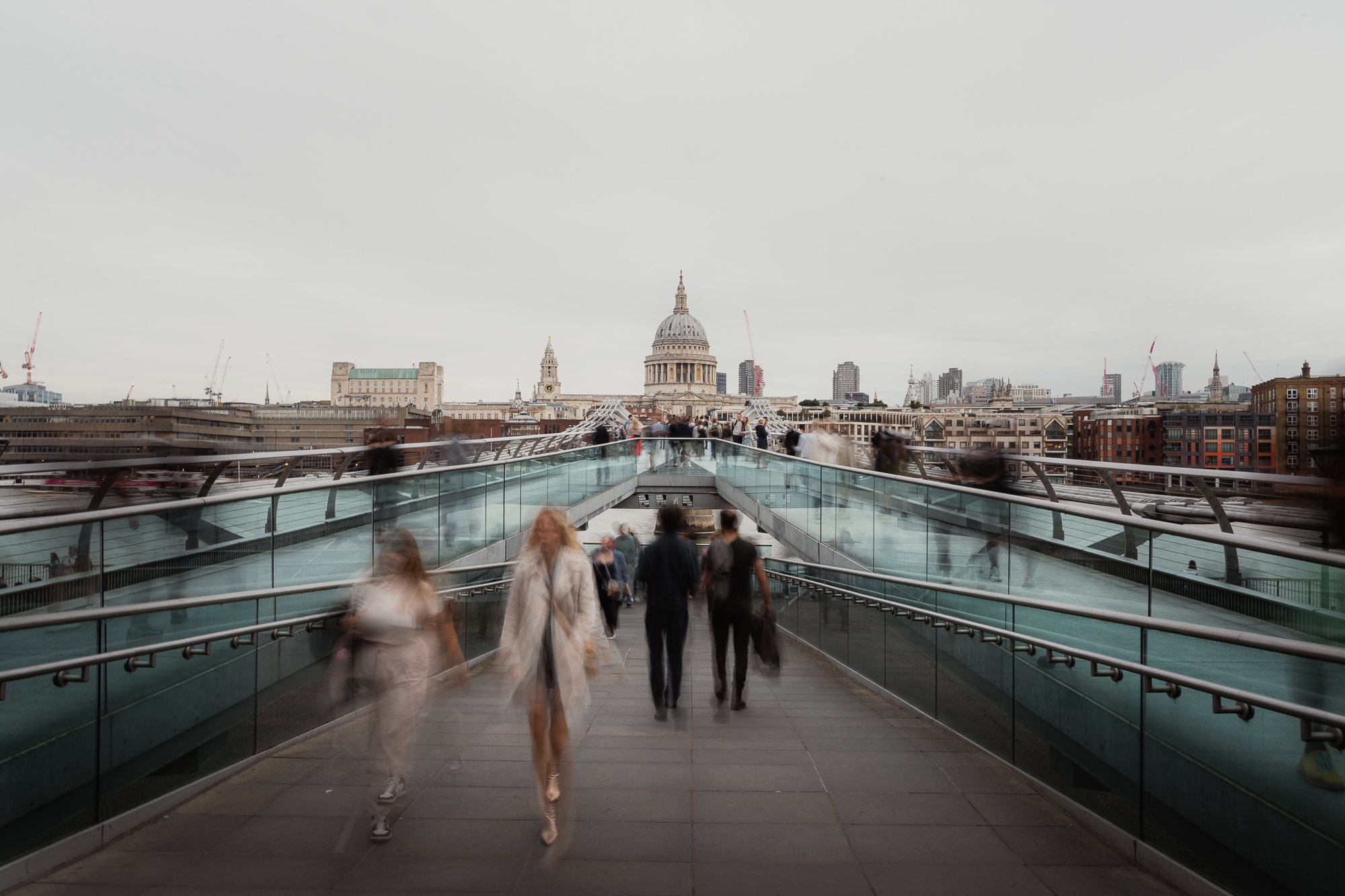
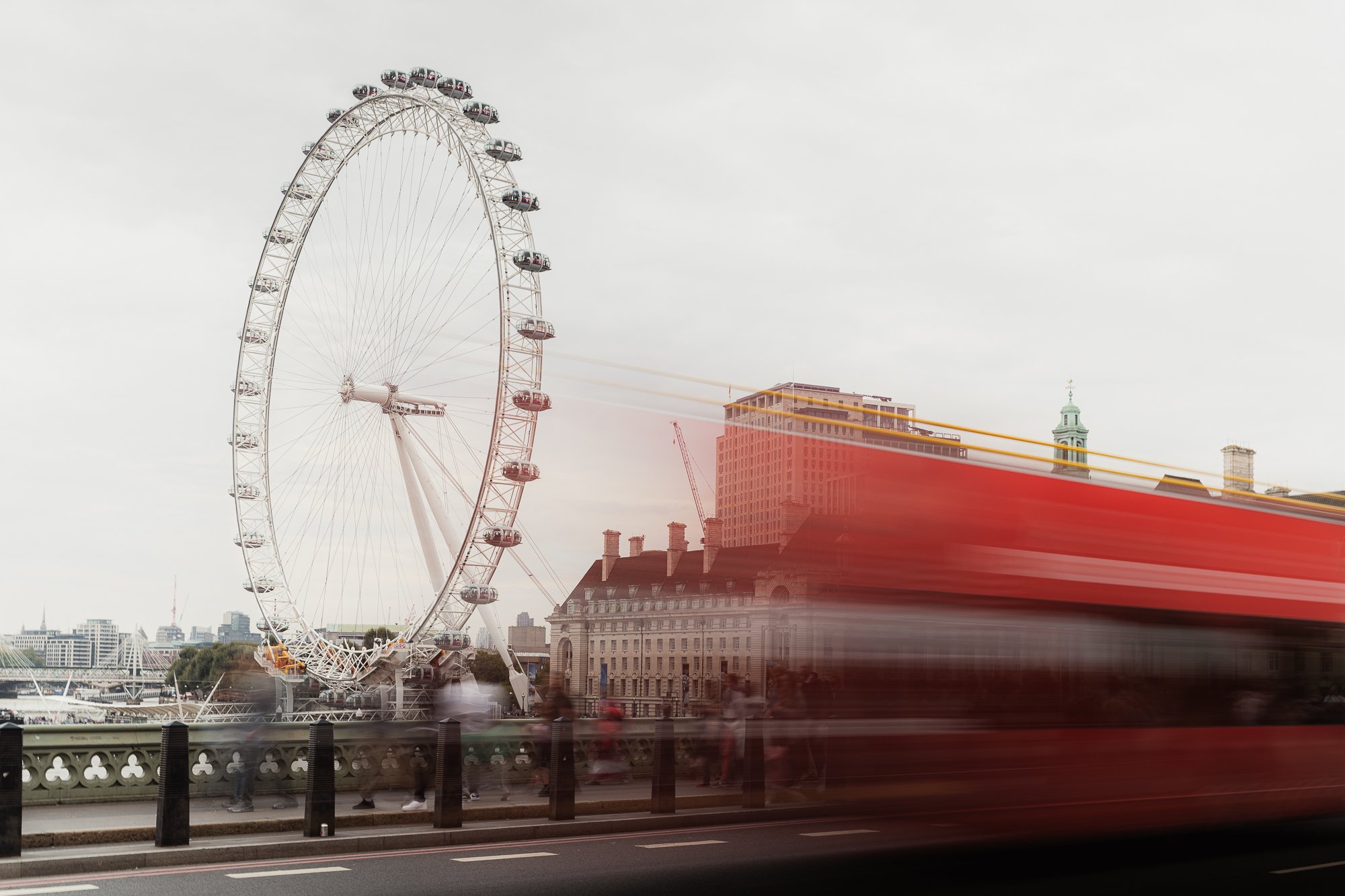
For photography, I can shoot on the streets at night at f/4 and crank the ISO up to 6400 while still getting sharp, and pretty clean results. For video, it’s just as good, footage even at ISO 8000 or 12800 looks surprisingly clean and are very usable. I use this camera for recoding short films and talking-head YouTube videos, you can check out my Youtube channel to see how it performs. I have added some sample images below as well to get an idea of what I am talking about.
All in all, the A7C II is a low-light beast and it can handle both photo and video extremely well, even in extremely low light conditions.


Compact Size
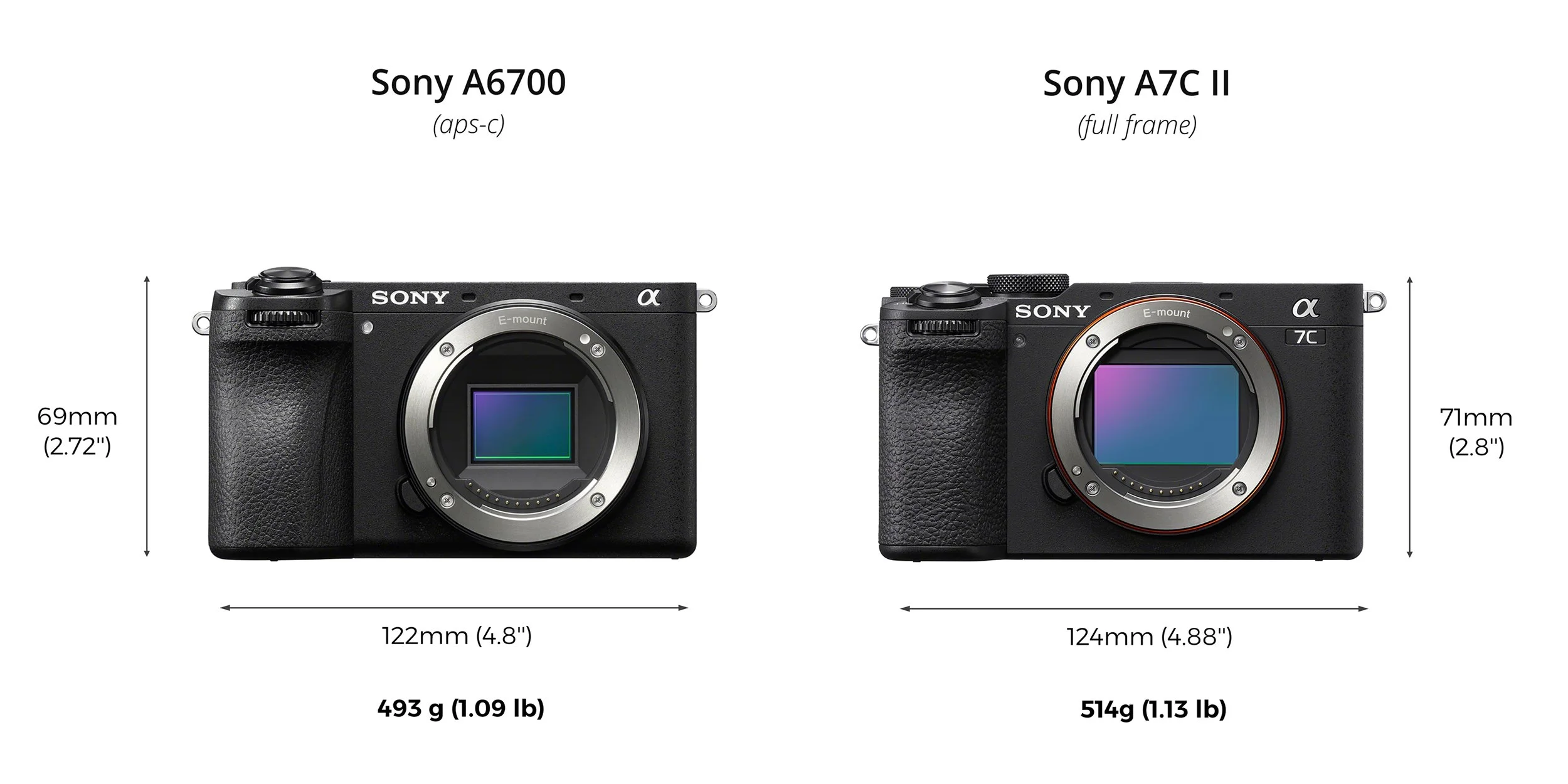
One of the biggest reasons people love the Sony A7C II is its compact size and honestly, it’s worth every penny for that alone. The A7C II has the size of an APS-C camera and for example when paired with a small lens like the Zeiss 35mm, it’s almost identical in size and weight to the Fujifilm X100VI. That’s impressive for a full-frame system!
Of course, full-frame lenses can get bulky, but if you stick to compact primes, you can keep your setup light and travel-friendly. For street photography that’s a huge advantage, especially with wide lenses like 28mm or 35mm, where you need to stay discreet to capture candid moments.
The light weight of the camera also makes a big difference when walking for long periods of time or when traveling. A lightweight setup means less fatigue and more freedom to explore and trust me, your back will thank you later.


In Body Stabilization (IBIS)
Another major strength of the Sony A7C II is its in-body image stabilization, rated at an impressive 7 stops.
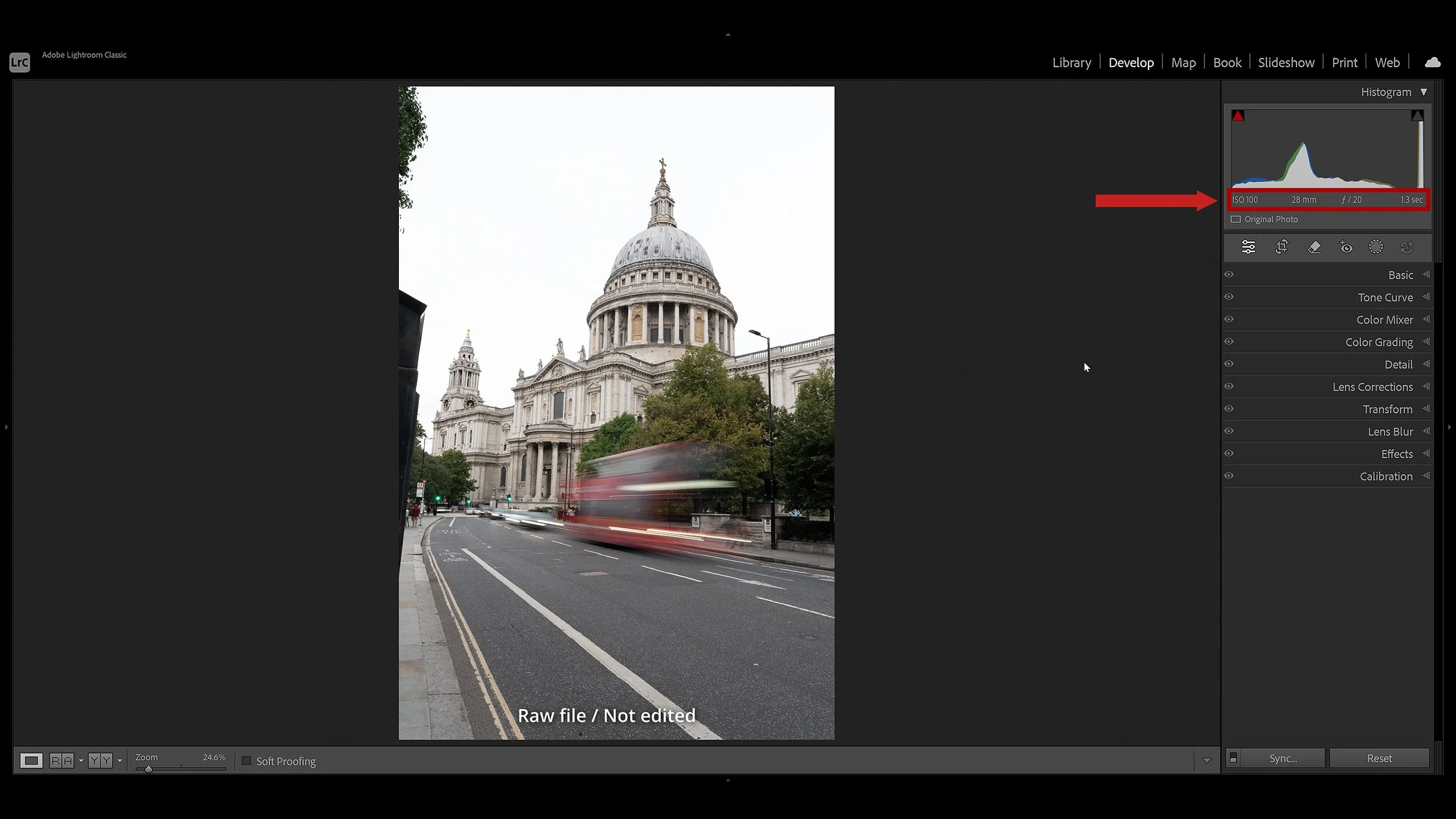
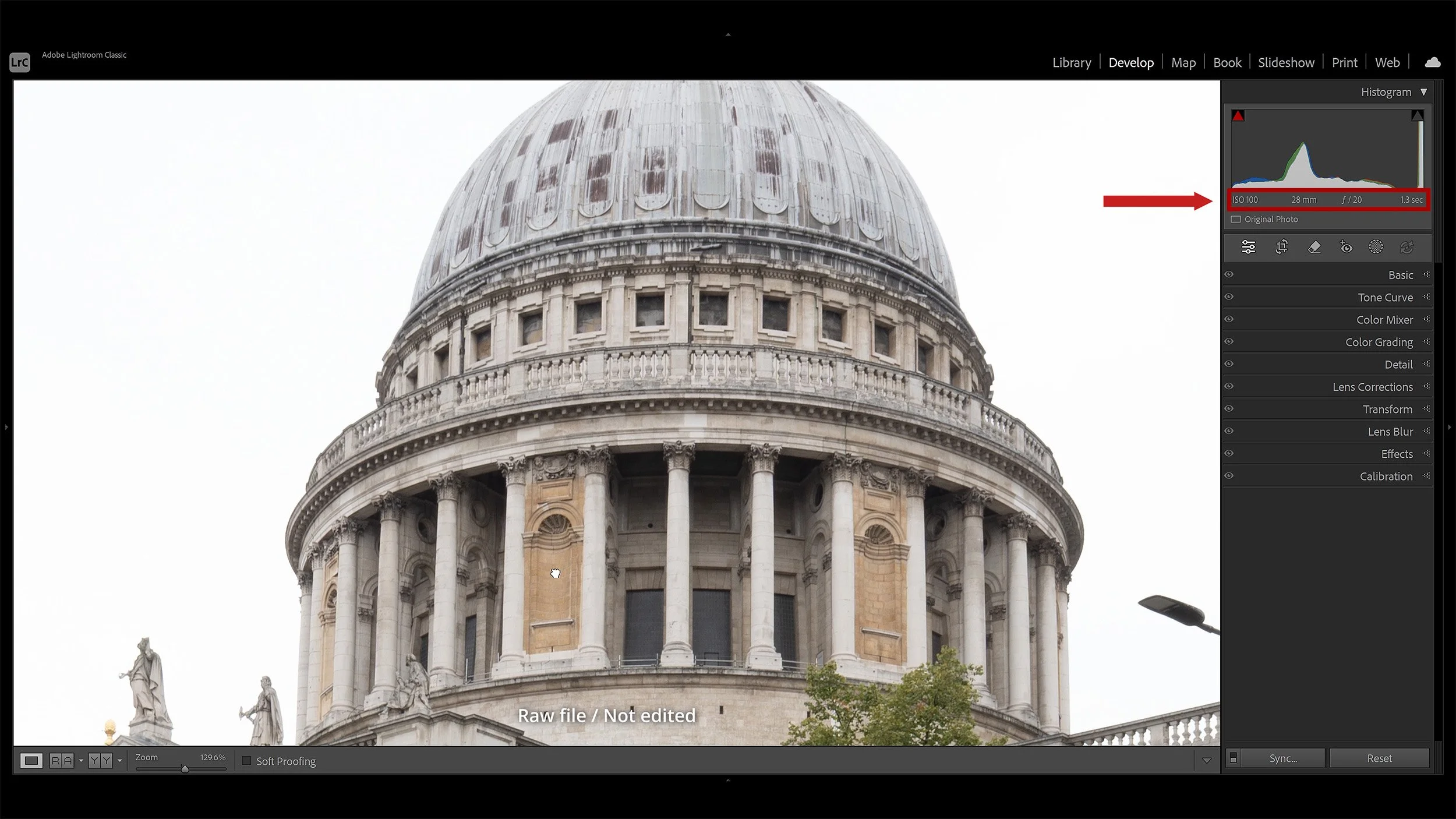
For photography, this allows me to shoot handheld at shutter speeds as slow as 1 second something that once required a tripod. I’ve even captured sharp handheld shots at 1.3 seconds, which still blows my mind. When it comes to video, stabilization is just as impressive. Handheld street B-roll looks steady especially when using the built-in SteadyShot modes:
Standard Mode – uses mechanical stabilization (no crop)
Active Mode – adds digital correction for smoother motion (1.2x crop)
Dynamic Active Mode (added in the April 2025 firmware update) – offers even stronger stabilization that can smooth out even walking shots (1.5x crop)
Having all these options in such a compact, affordable camera makes the A7C II incredibly versatile and suitable for both photographers and filmmakers.
The Autofocus
Of course, no Sony review would be complete without mentioning the state of the art autofocus system. All the rumors you have heard are true! Thanks to its AI-powered AF system, the Sony A7C II still delivers some of the best autofocus performance, even two years after its release.
Honestly, I barely even think about autofocus when using this camera, it is so good that I just take it for granted. The camera focuses quickly and accurately, even in low light. I rarely run into missed focus when shooting photos or video, and when I do, it’s usually my own mistake or during very challenging situations.
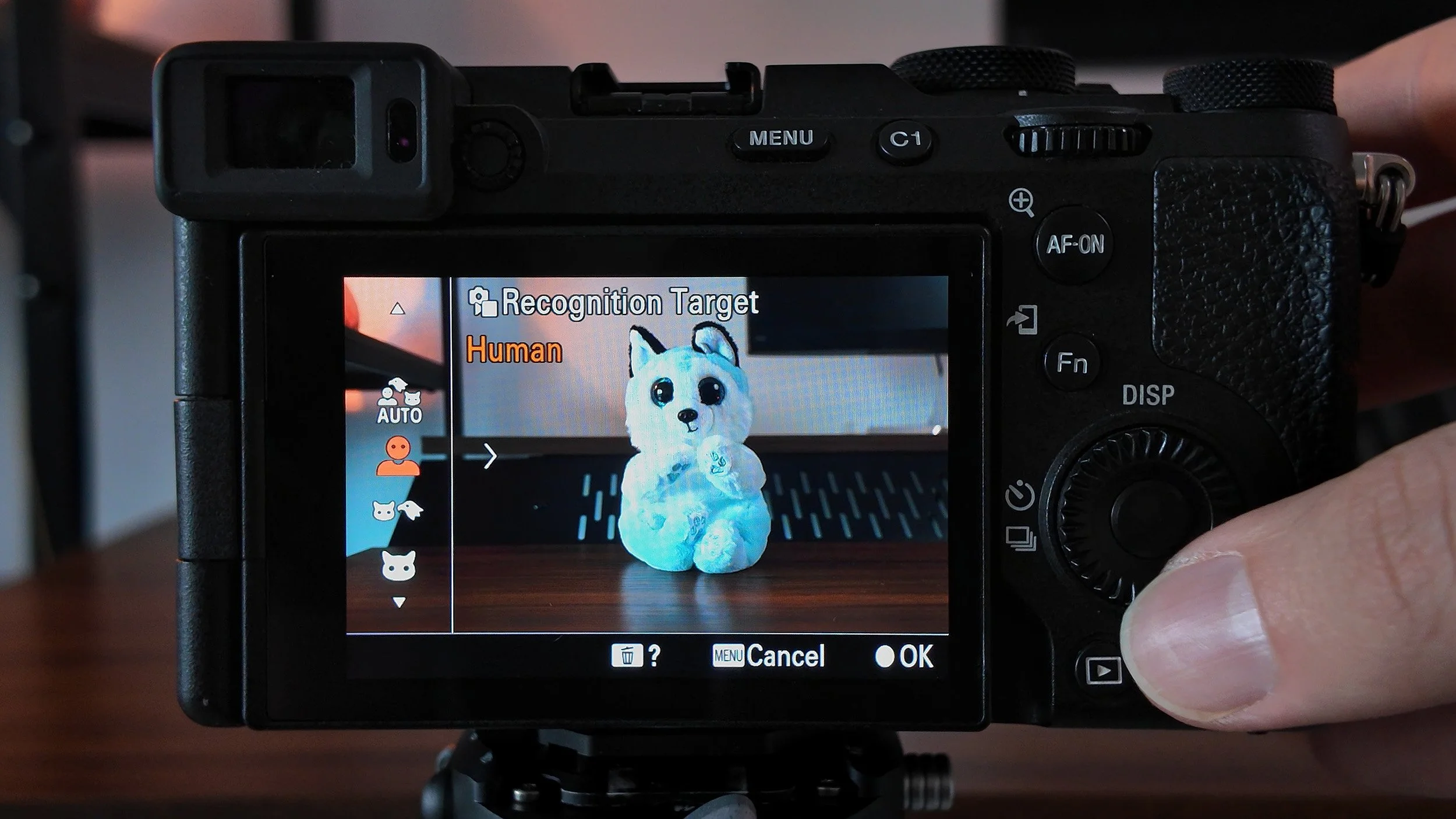
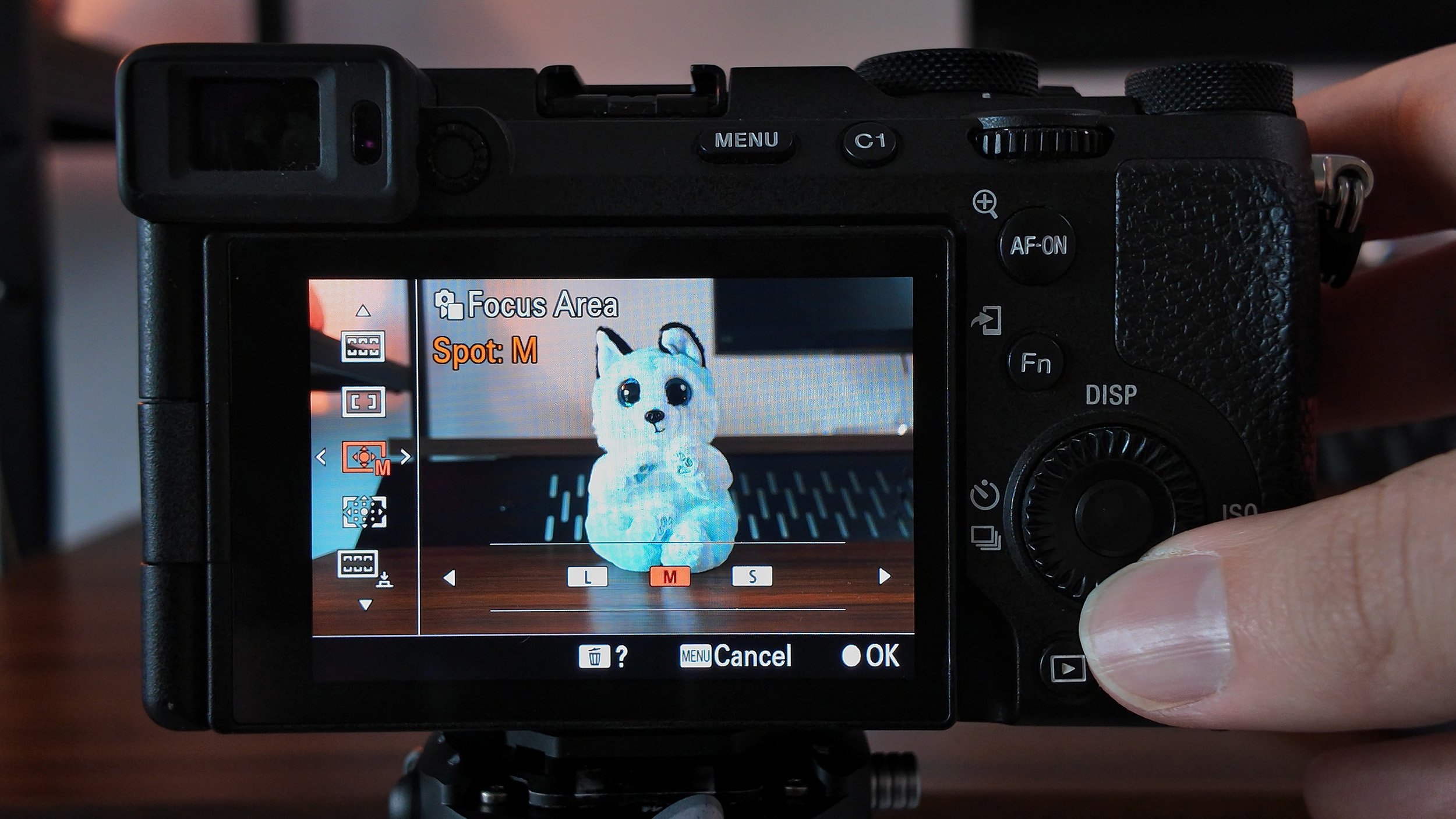
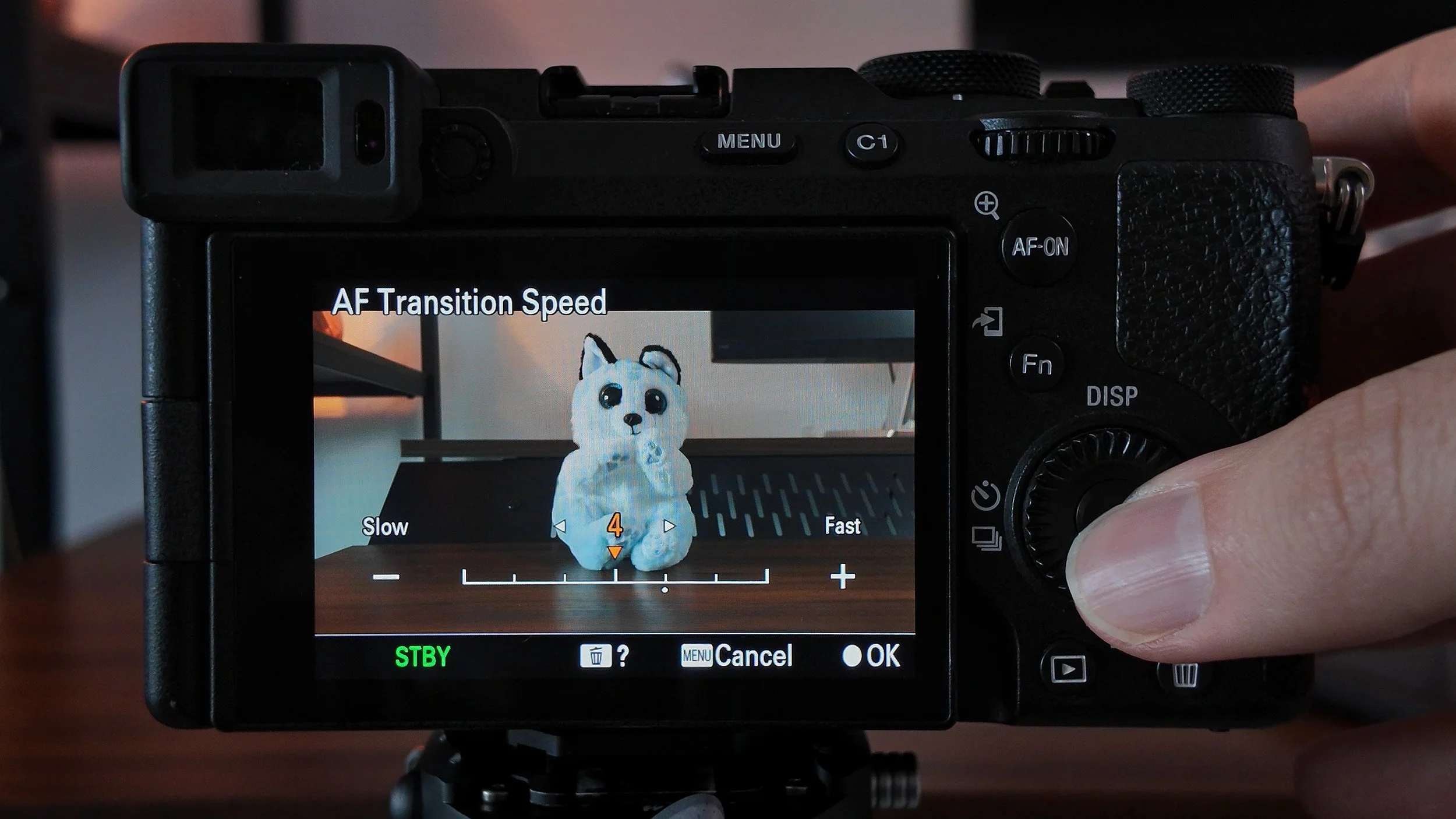
It’s not just the quality of the autofocus, but also the huge number of options that come with it. You can set the camera to prioritize focus on humans, animals, cars, trains, or even insects. For photography, there are multiple AF modes like: wide AF, zone focusing, spot AF and advanced tracking options. For video, you can fine-tune AF transition speed, sensitivity, and even use focus peaking for manual adjustments. All of these features combined give the camera some serious photography and filmmaking capabilities!
What I Don’t Like About the A7C II
As you probably already know, nothing in life is perfect, so here are a couple of things i don’t like about the Sony A7C II.
Rolling Shutter
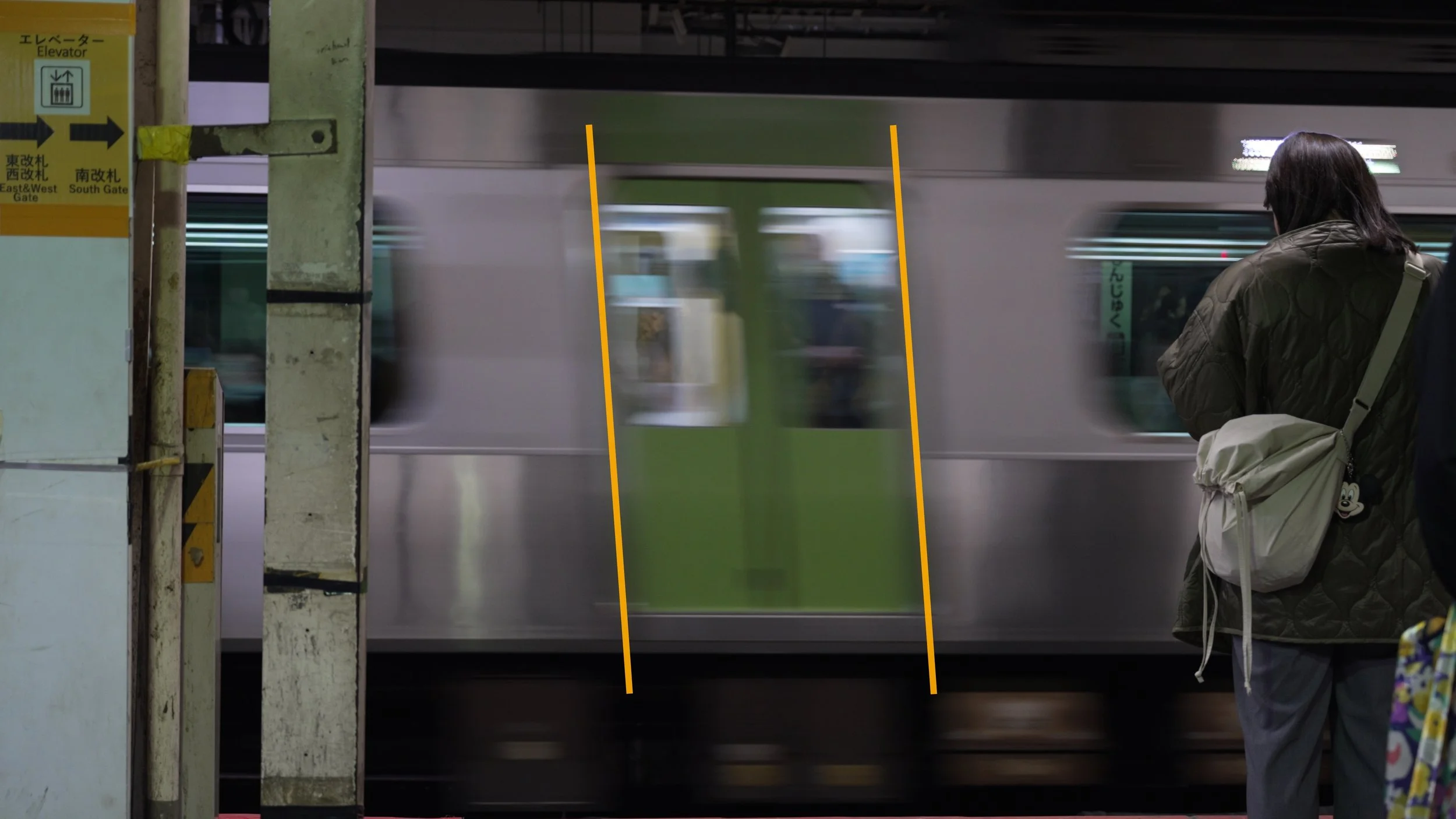
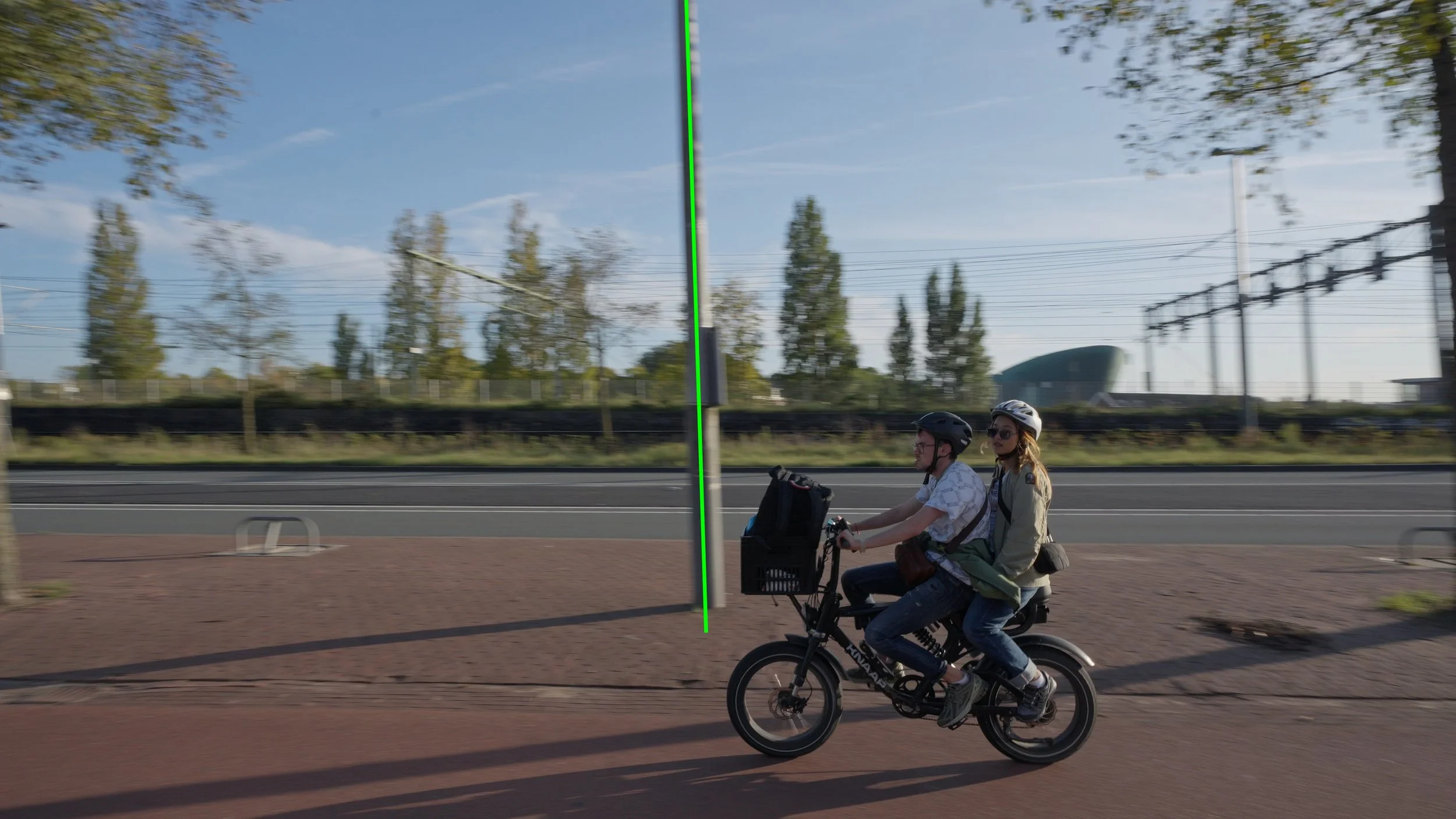
This is the biggest drawback of the Sony A7C II. Rolling shutter is this “jello” effect that makes straight vertical lines look bent. It happens when the camera is moving faster than the sensor can fully scan. Since the Sony A7C II has a sensor with slow readout speed you end up with this effect.
You’ll notice it mostly when shooting video. Fast-moving subjects like cars or trains, or quick panning movements, can cause visible distortion. The only real way to minimize it is to keep your camera movements slow and smooth. When filming fast moving objects while the camera remains static there is no way to avoid rolling shutter, even when using faster shutter speeds. It is just a limitation of the sensor.
For photography, rolling shutter is less of an issue but can appear when using silent mode, which relies on the electronic shutter. If you’re photographing fast-moving objects, you may see slight distortion. The best way to avoid it is to switch to the mechanical shutter, which virtually eliminates the effect.

Shutter Noise
Another drawback is how loud the mechanical shutter is. In street photography, being as discreet as possible is key, especially when shooting with wider focal lengths like 28mm or 35mm and you get closer to your subject. In many occasions I’ve had people turn and stare when they heard the shutter which completely ruined the candid moment I was going for.
To get around this, I often switch to silent mode, but it also comes with its own limitations. As we discussed earlier it can introduce rolling shutter which makes it tricky capturing fast moving subjects. Moreover it can also introduce light banding (visible horizontal/vertical lines of different brightness) when shooting under artificial light. In those situations, I have no choice but to go back to the mechanical shutter, drawing attention again with its loud click.
This is actually one of the reasons I now prefer using a smaller camera for street photography, something I discuss in my article, How the Ricoh GR IV Changed My Street Photography.


Is the Sony A7C II still worth it?
Before we answer the big question, let’s see how much the camera costs and how it compares to other popular options.
As of September 2025, the Sony A7C II costs around €2,100 in Europe and $2,200 in the US. The good news is that Sony often offers cashback promotions, so you might be able to grab it for even less in the future. In terms of alternatives, here are some comparable hybrid cameras:
Full-frame sensor
Same price as the Sony A7C II (as of Sep’25)
Much larger/heavier camera - I personally don’t see myself doing street photography or travelling with a camera of this size
APS-C sensor
€1,500 in Europe / $1,500 in the US (as of Sep’25)
Great value for money but you sacrifice low light performance due to smaller sensor
APS-C sensor
€1,800 in Europe / $1,900 in the US (as of Sep’25)
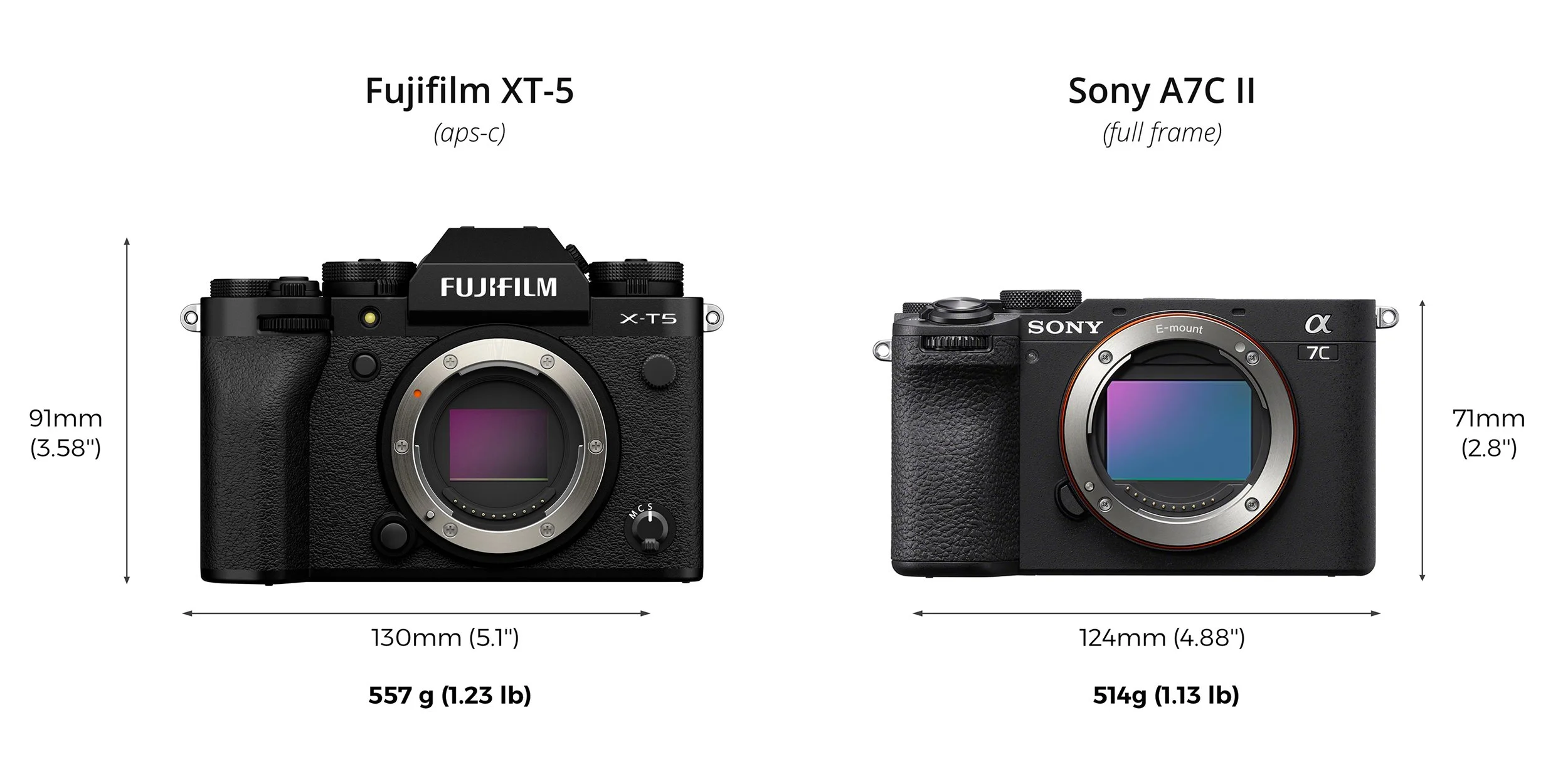
Not a bad option if you are into Fuji recipes but it is a bigger camera (I personally prefer the A6700 over the XT-5)

My Opinion
Looking at the competition I believe the Sony A7C II is still the best value-for-money option, even 2 years after its release. For almost the same cost you get a much more compact camera with a full frame sensor that offers superior image and video quality.
If you mainly focus on shooting street and travel content and you need a compact camera for your trips, I believe this camera is worth every penny. For me personally, since I mostly focus on street photography, filming street B-roll and I travel a lot, the Sony A7C II has been my go-to camera for the past two years and I expect it will stay with me for many more years to come.
Feel free to watch my Youtube video as well if you want to find out more about the Sony A7C II.