Street Photography In Marrakech: A Practical Guide

This article contains affiliate links. If you purchase through them, I may earn a small commission at no extra cost to you.
Why Marrakech Is Hard To Photograph
Marrakech (and Morocco in general) is one of the most fascinating places a street photographer can visit. It is a visual paradise filled with vibrant colors, stunning architecture and everyday life that feels almost surreal. At the same time it is by far one of the most challenging environments to photograph. Morocco is extremely notorious on how unfriendly it is to photographers, a fact that even magnum photographers have expressed when covering the country.
The main challenge is that many people in Marrakech do not like being photographed. In most cases, people react the moment they notice a camera, either by asking you not to take photos or by shouting at you. Even while trying to remain discreet and respectful, there were several occasions where people hid their faces or directly asked me not to photograph them.
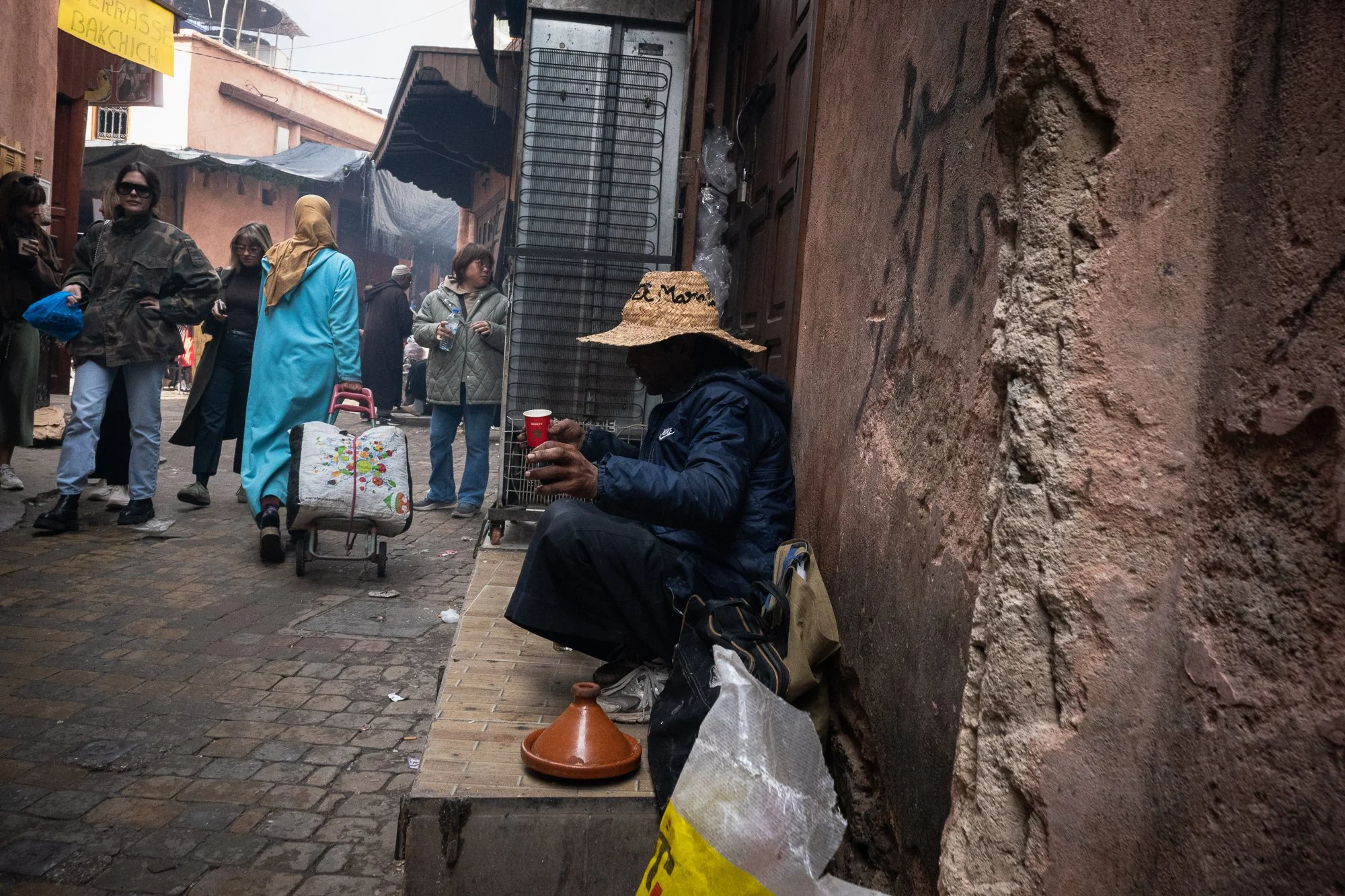
What I found most surprising is that many people did not want to be photographed but were comfortable with it if you offered them money. I completely understand and respect if someone does not want to be photographed for religious, cultural, or privacy reasons. But in many situations, people told me it was fine to take their photo as long as I paid a small fee, which I found quite interesting.

Photographing With The Ricoh GR IV
Luckily, I had done quite a bit of research before visiting Marrakech, so I was already aware of the challenges. That’s why I decided to travel there with only the Ricoh GR IV and honestly, it was the best decision I made on this trip.
The Ricoh GR IV is an excellent camera for street photography in Marrakech because it does not draw much attention and it has a silent shutter which makes you invisible. The snap focus turns it into a point-and-shoot camera, which is extremely useful in crowded and tight spaces like the alleys of the medina. I also find the 28mm focal length a great choice as space is often limited and you’re frequently very close to your subject. The only thing I sometimes missed was a viewfinder when shooting in harsh light, although that would also make the camera more noticeable. I've written more about the strengths and compromises of this tiny camera in my article on How The Ricoh GR IV Changed My Street Photography.
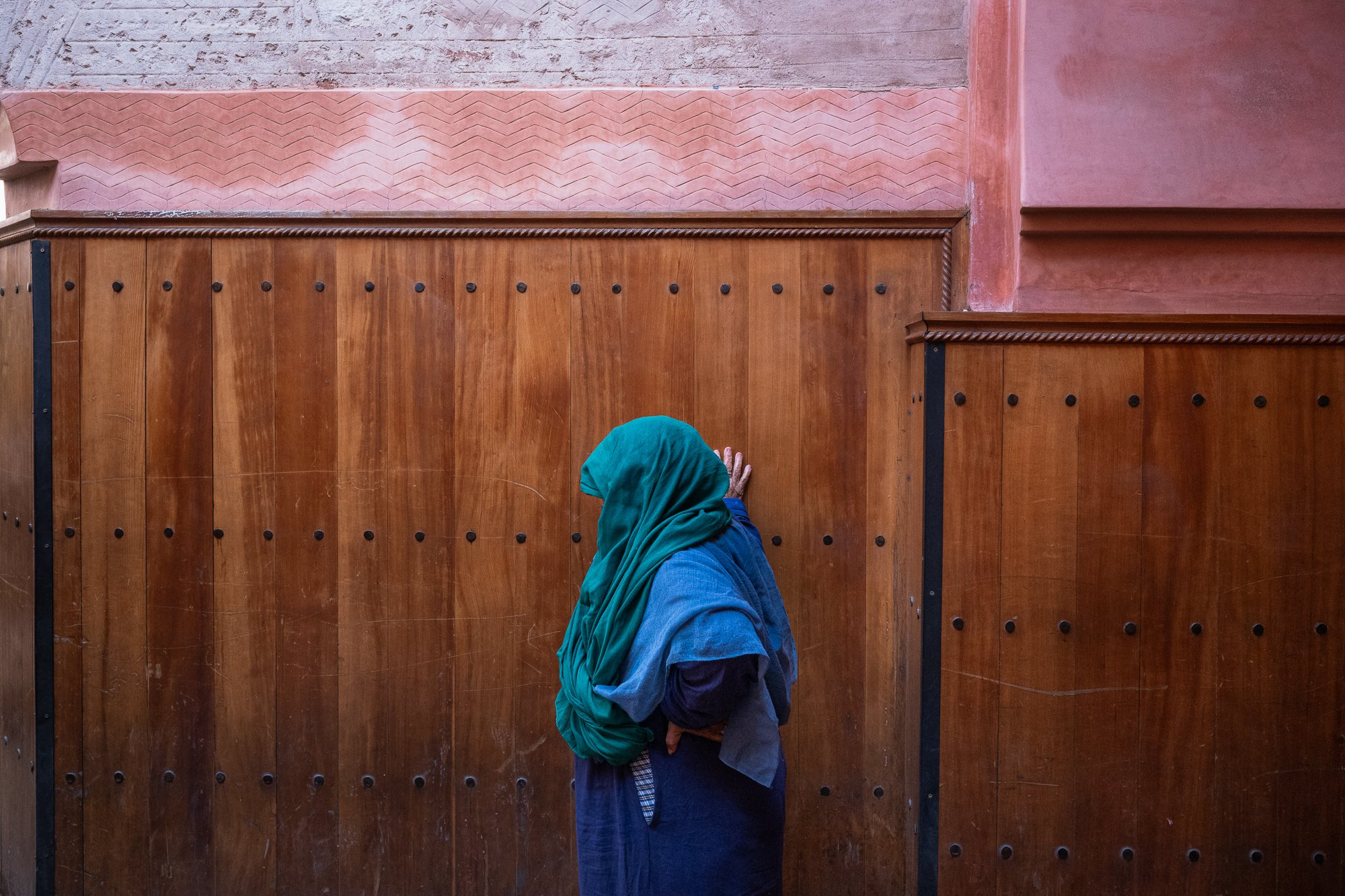


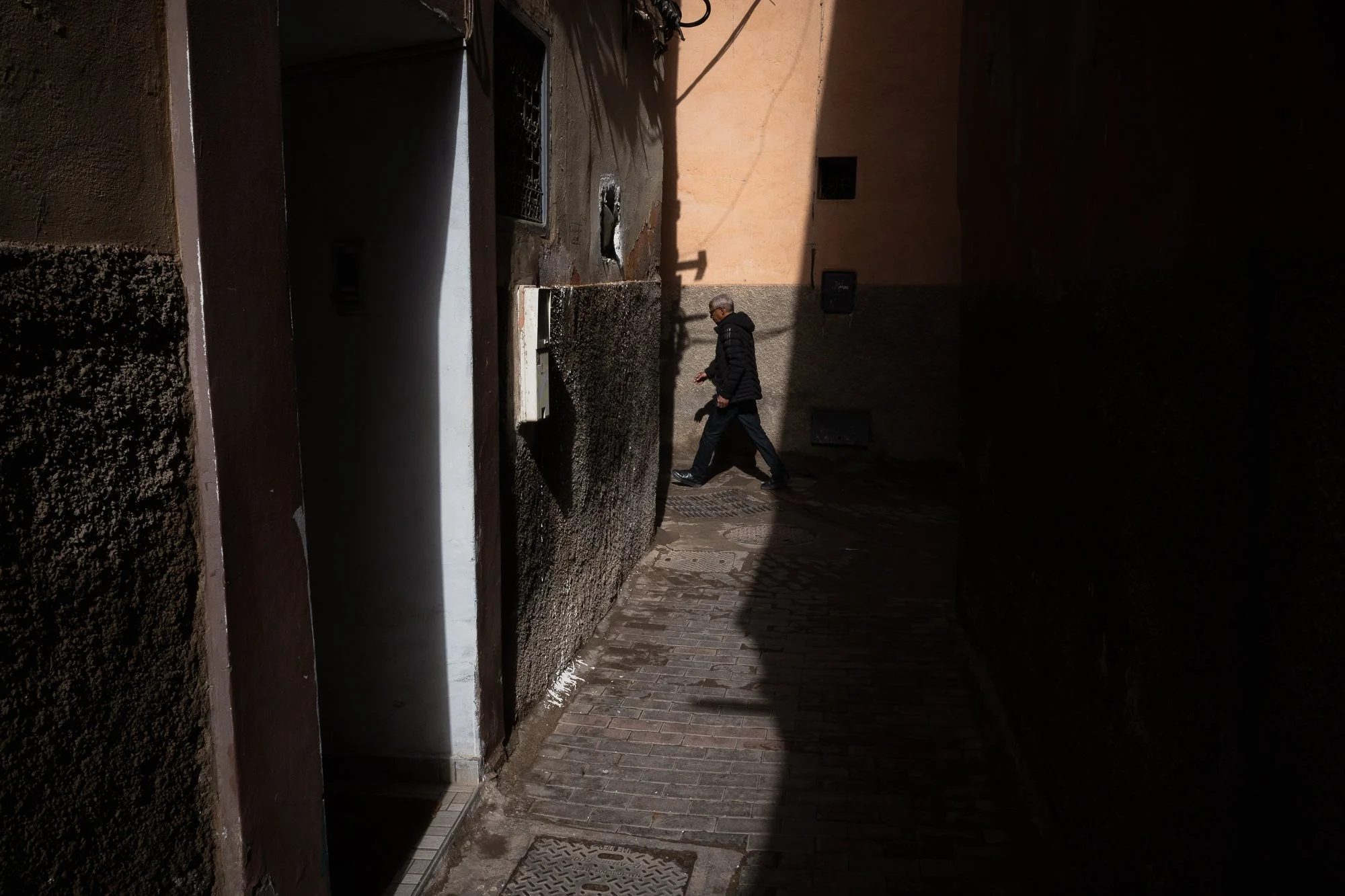
Overall, photographing in Marrakesh was manageable with the Ricoh GR IV, but never completely stress-free. The most challenging place was Jemaa el-Fnaa, the main square, where I was constantly interrupted by hustlers and sellers, or shouted at to stop taking photos. It often made photographing difficult, so I spent less time there and focused more on the deeper parts of the medina instead. I stayed for three full days, which was enough to take it slow when photographing and explore the city properly.
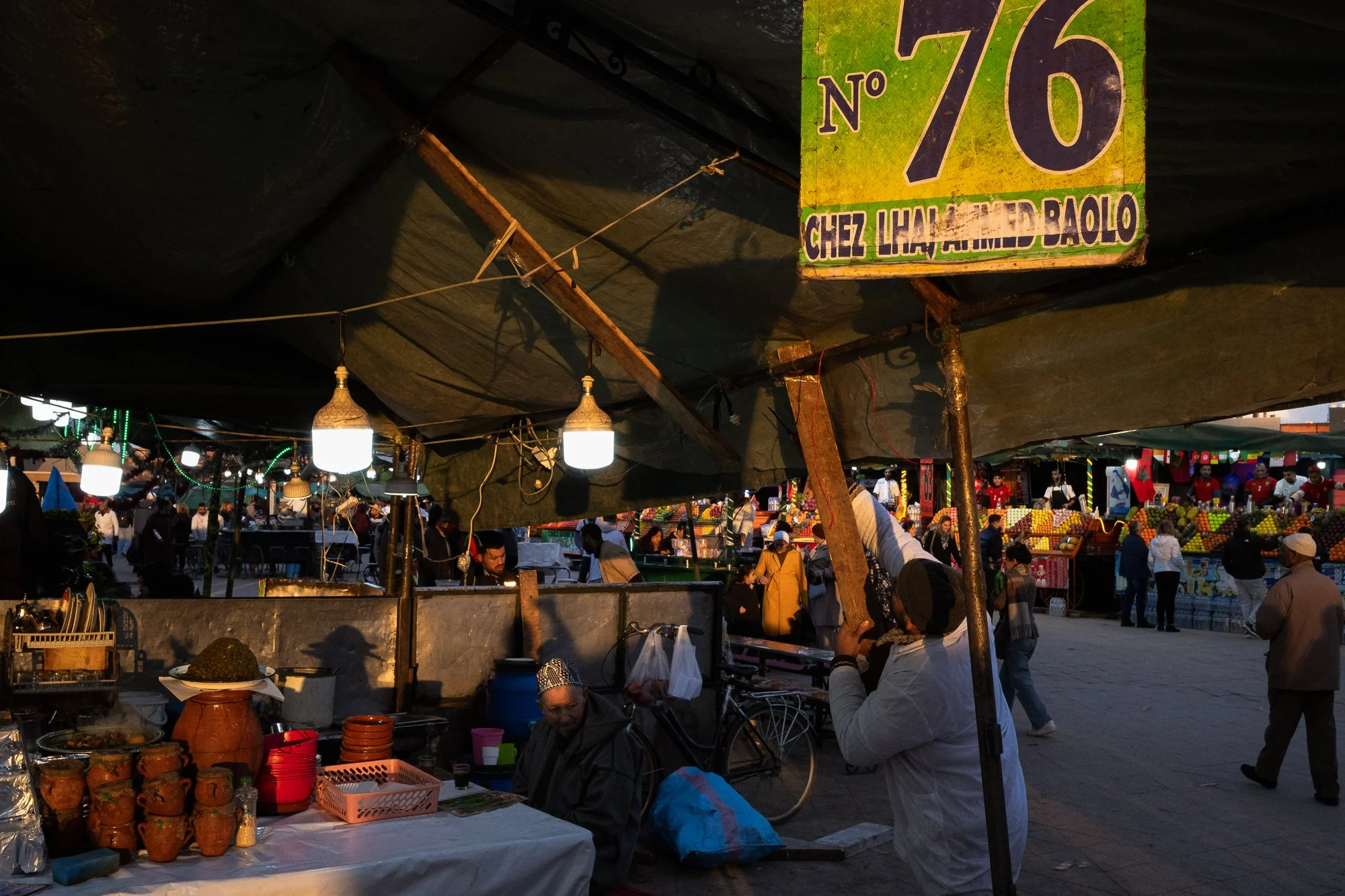

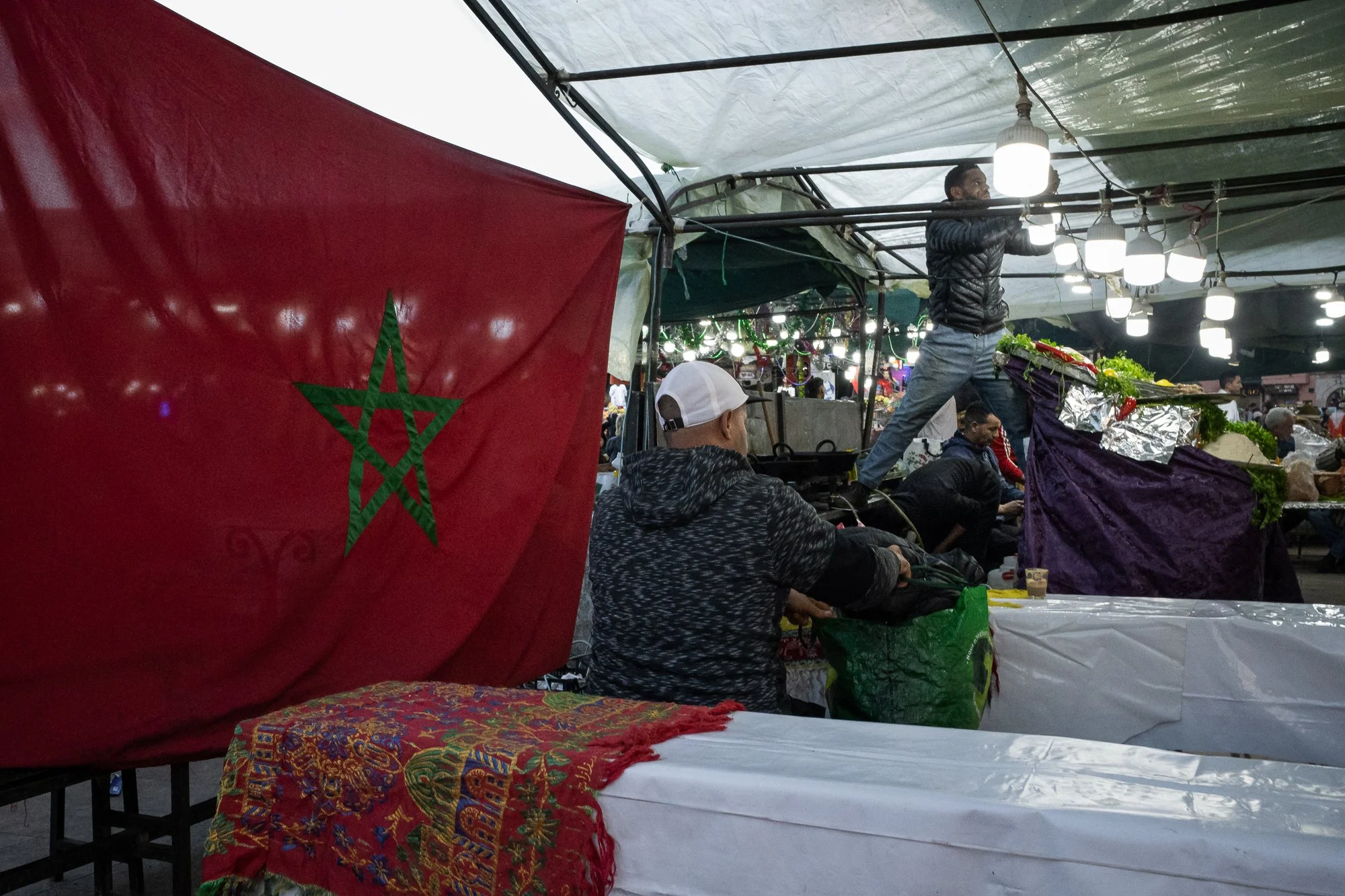

Even with a small and discreet camera, there were still moments where people asked me not to take their photo or hid their faces. In all those cases, I simply respected their wishes and moved on. Still, I do think this would have happened more often with a larger camera.
In general my experience photographing in Marrakesh was not relaxed, but it was also not as bad as I expected. That changed on the last day. While photographing a vendor’s goods, I had one of the very few moments in my photography journey where things almost became physical. The owner approached me, grabbed my arm, and started shouting at me to stop taking photos. It caught me off guard, especially since I wasn’t photographing any people. It took a while to diffuse the situation and it didn’t escalate any further, but it definitely added unnecessary stress to the experience.

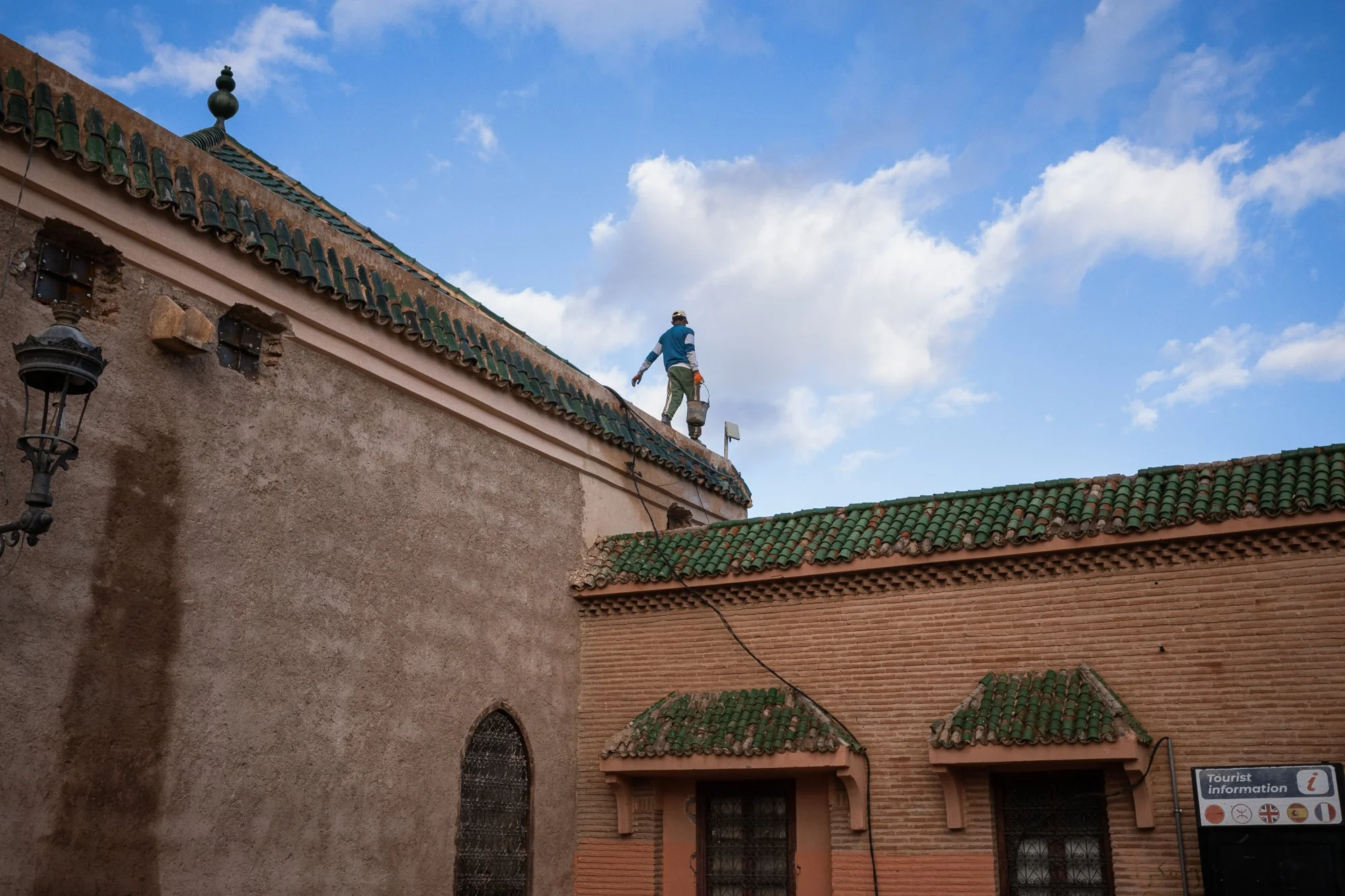


Tips For Photographing In Marrakech
From my experience, here are a few tips that might help you if you plan to do street photography in Marrakech:
Keep Your Gear Small
I would suggest avoiding using a large full-frame setup with big zoom lenses. From my experience, a compact camera like the Ricoh GR IV makes a huge difference in how people react to you. If you don’t have one, I would recommend sticking to a small APS-C camera (like the a6700, X100VI, XE-5 etc) with a discreet lens.
Use a Wide Focal Length
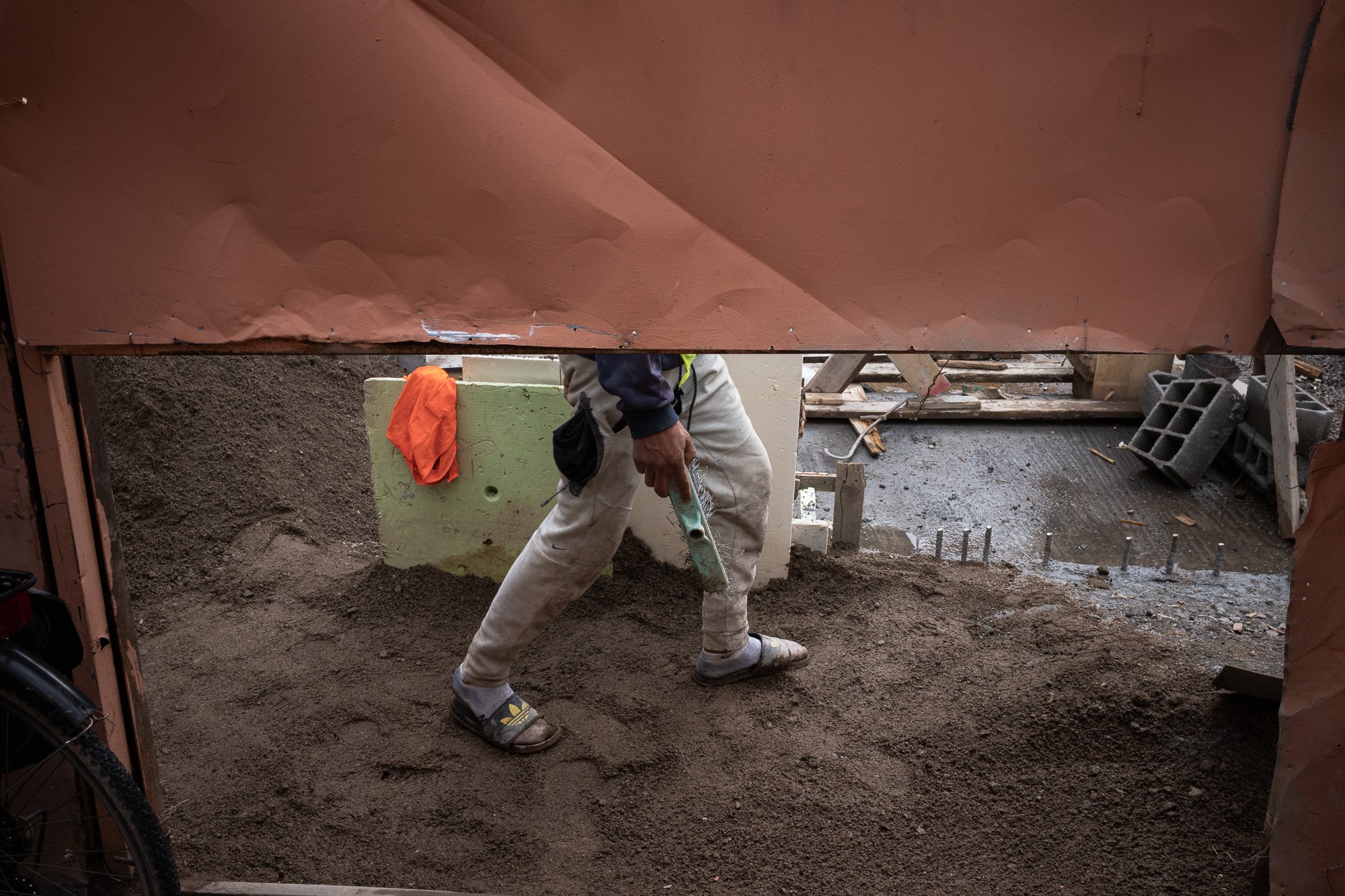
A wide focal length like 28mm or 35mm works best, especially in the medina where the alleys are very narrow and crowded and you are often close to your subject. Since you’ll mostly be walking through tight spaces and fast-moving scenes, this allows you to properly fill the frame and capture the immersive feel that Marrakech offers.
Be Respectful
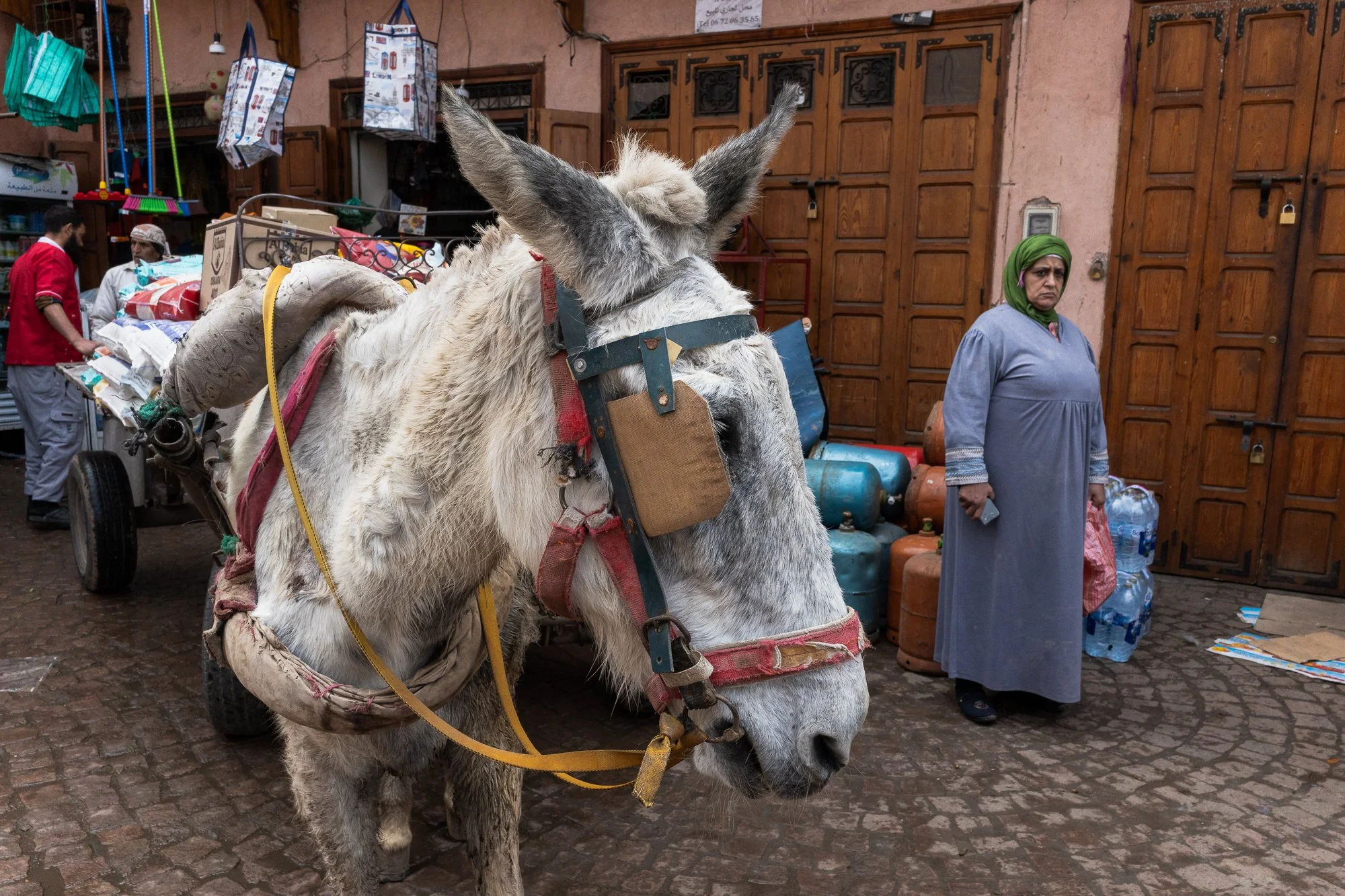
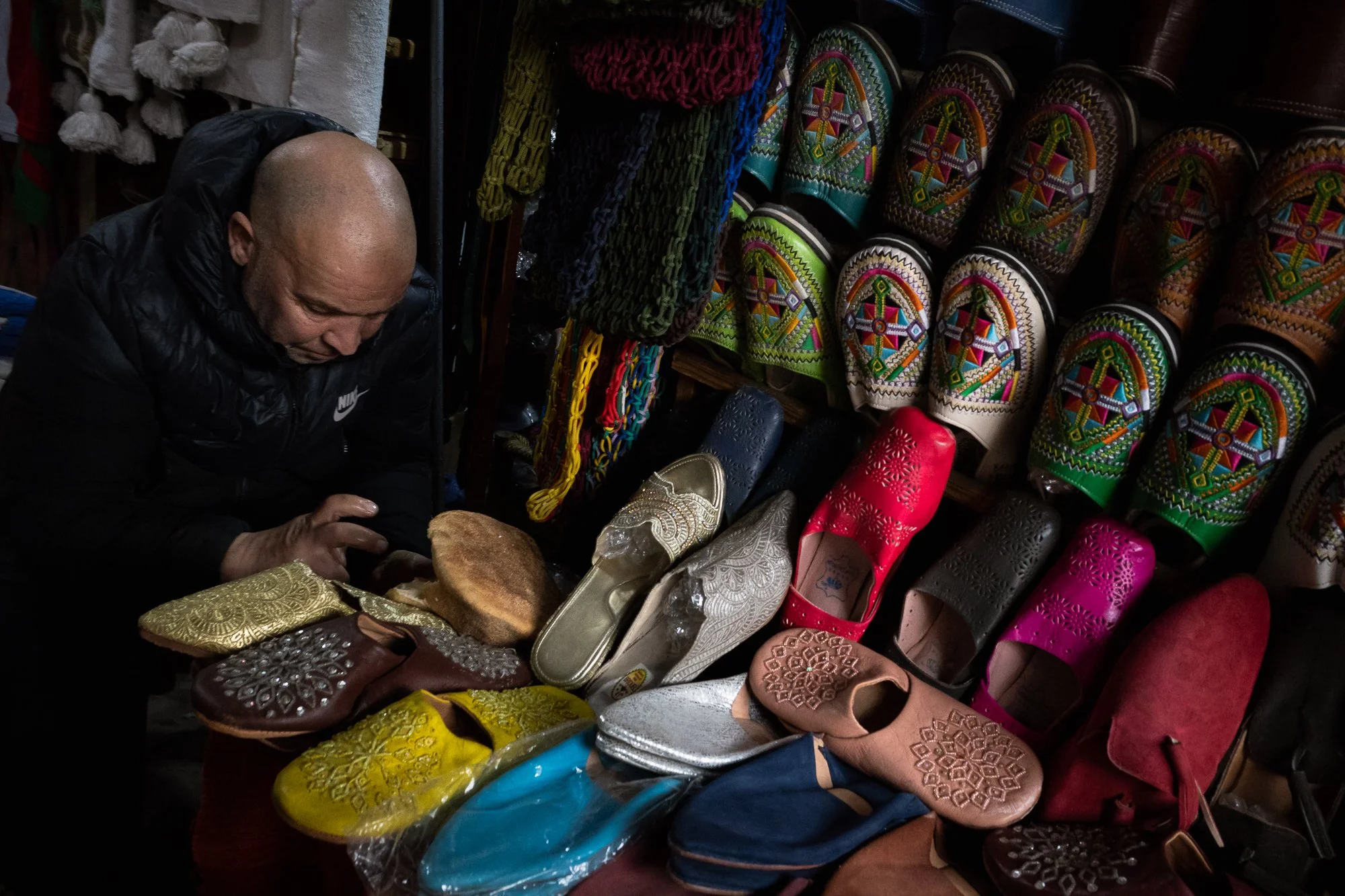
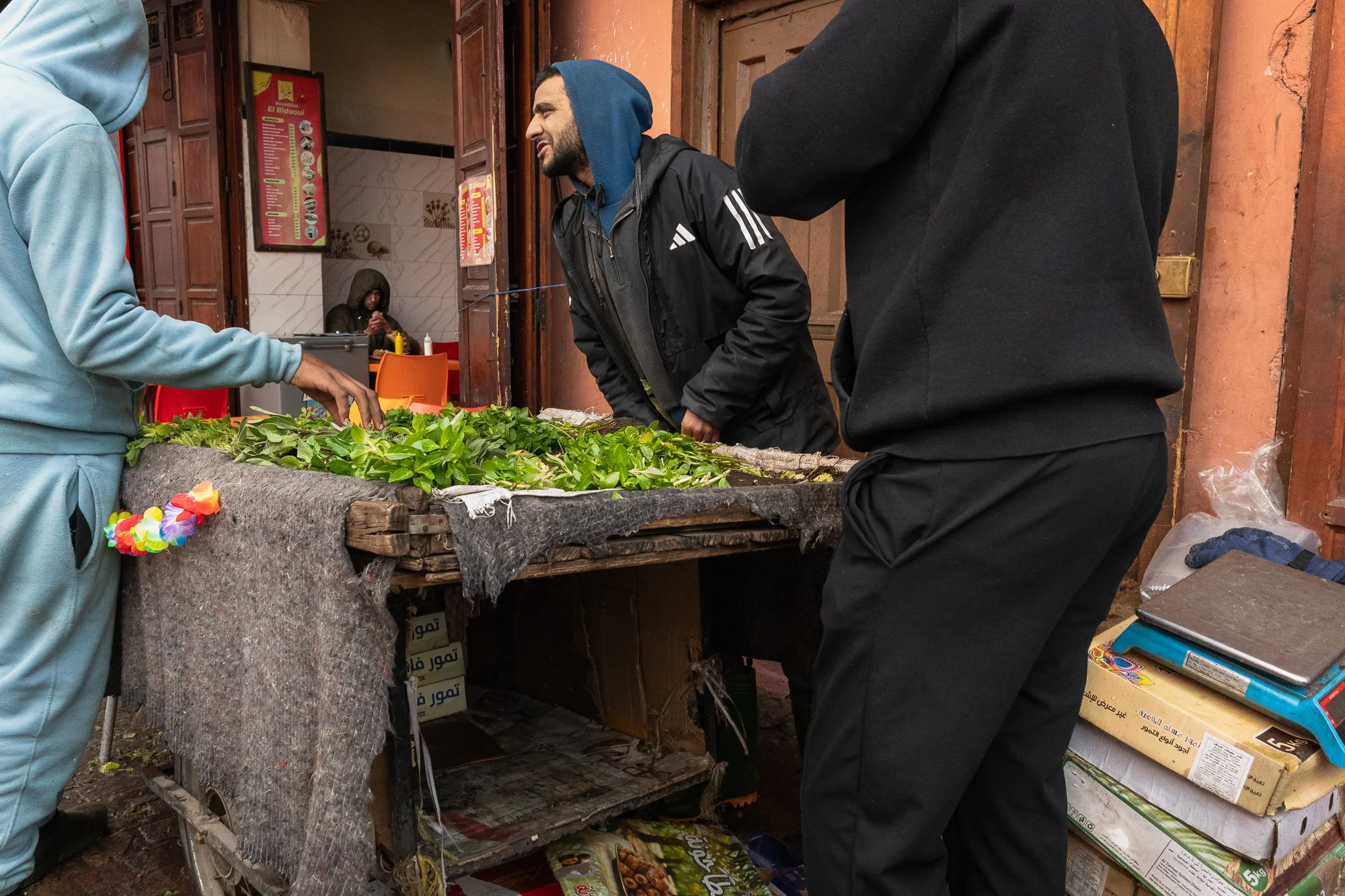
Remaining respectful when taking photos is essential. People in Morocco generally do not like being photographed, so if someone asks you not to take their picture, simply respect their wishes and move on. If you do end up in a difficult situation like mine, stay calm and explain what you are doing.
Be Genuinely Interested In People
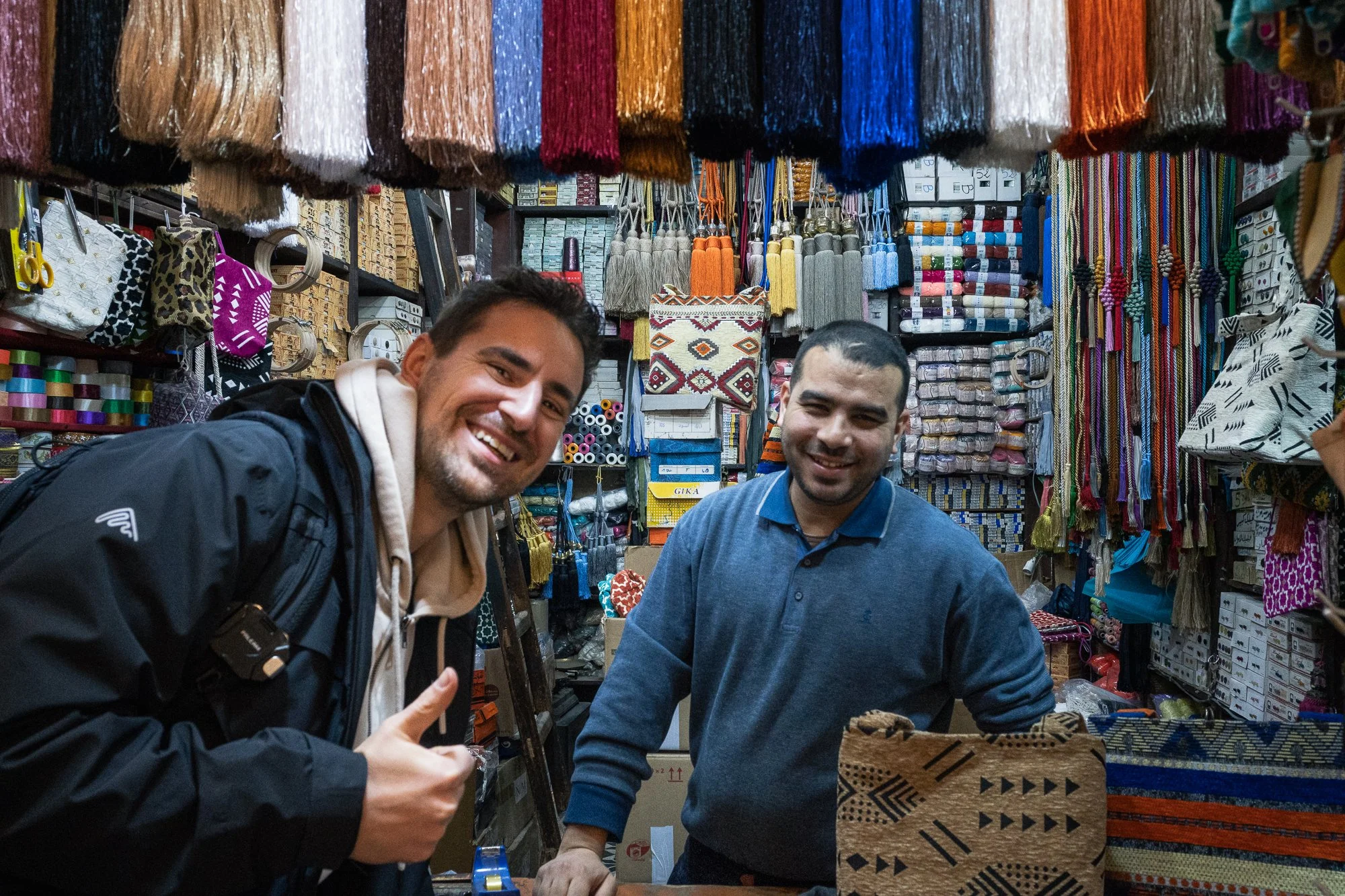
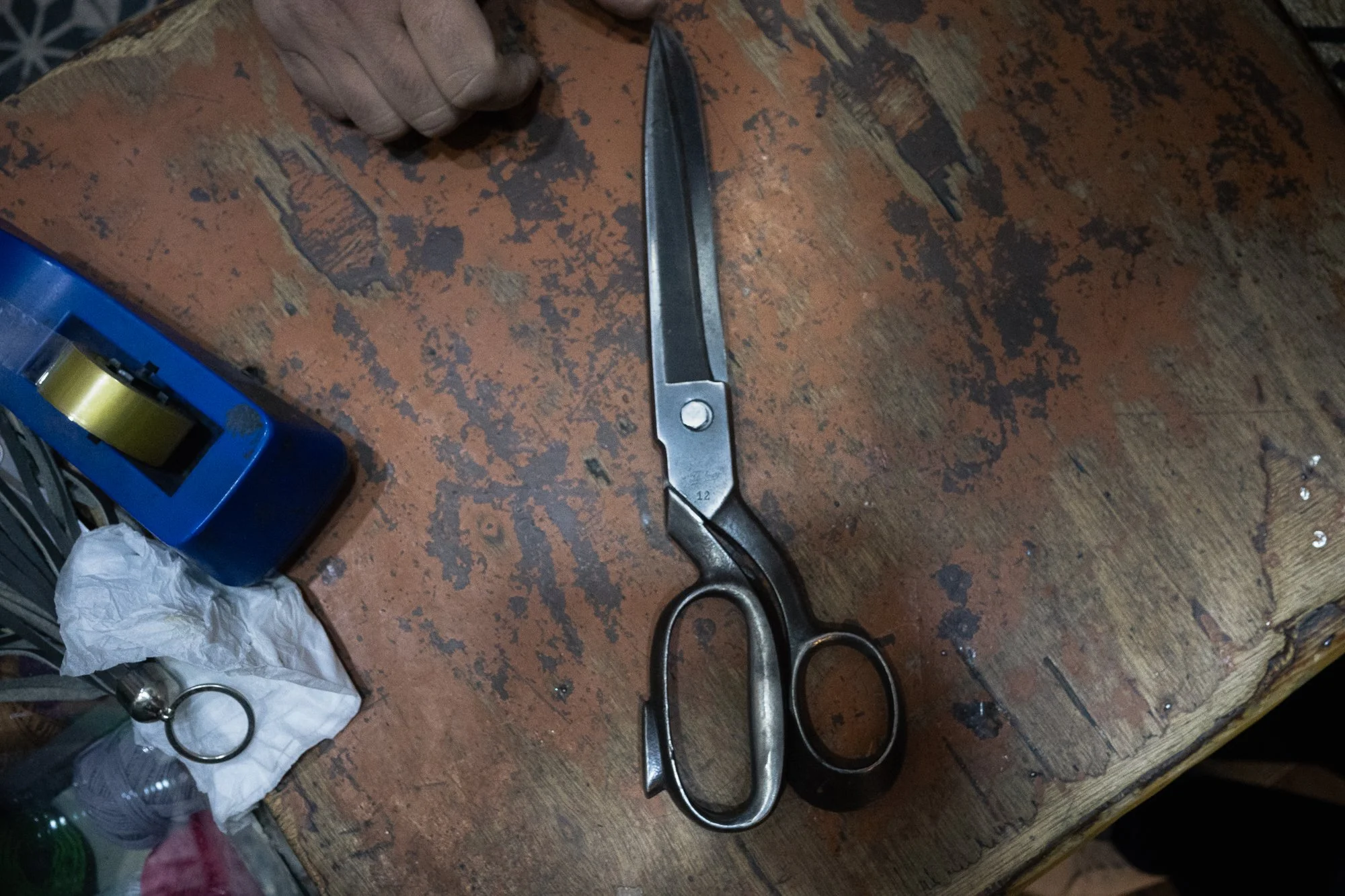
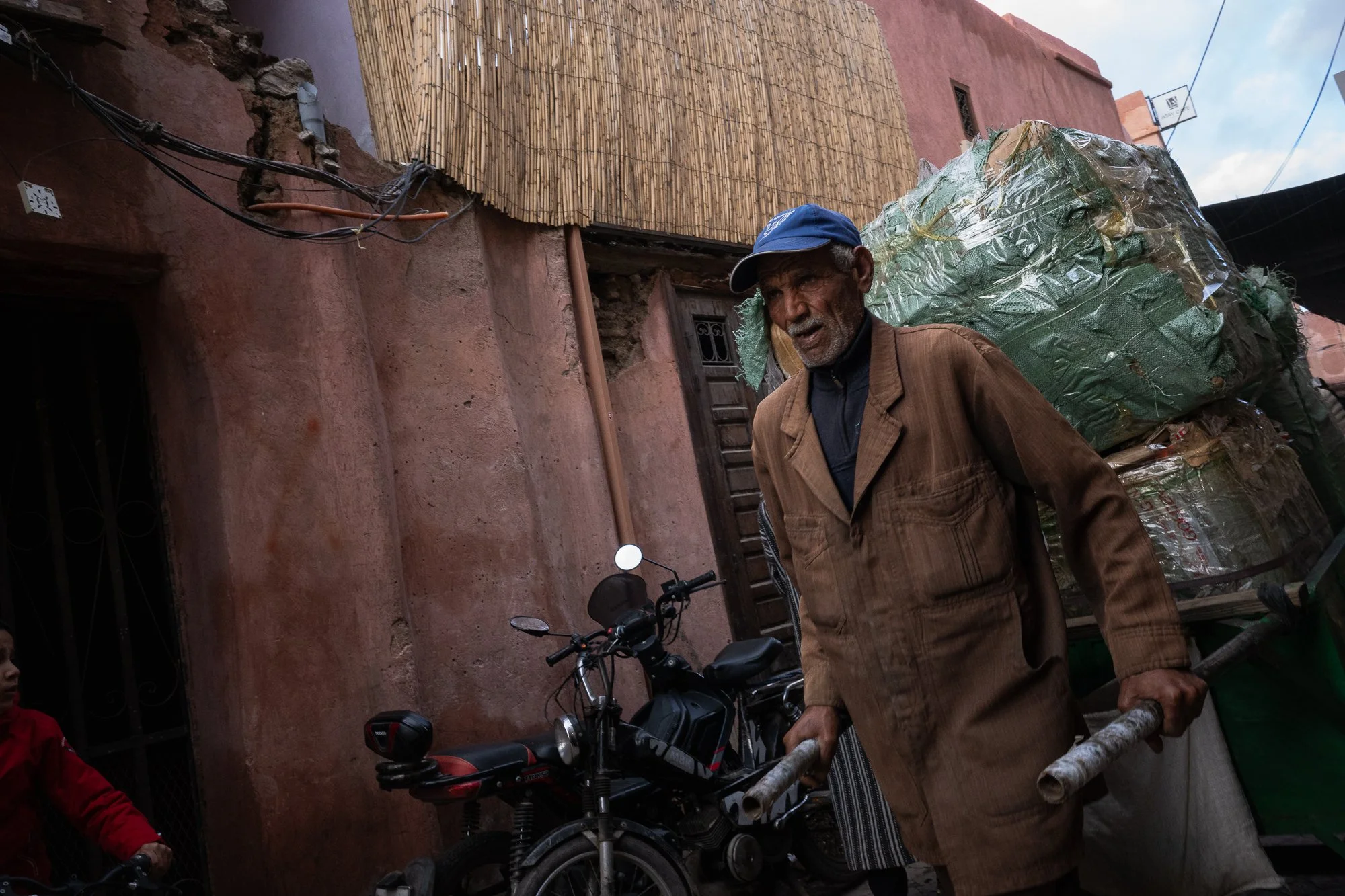
This can often lead to much better interactions and more meaningful photographs One day while walking through the medina, I came across a shop owner doing a similar type of work to my father, using very similar tools. I walked up to him and started a conversation about his work and tools. It not only gave me the opportunity to take a few good photos, but also the chance to meet a wonderful person.

Avoid Unsolicited Help
People in Marrakech who offer help without you asking usually end up asking for money for their “service” and can become aggressive if you don’t offer any. During my trip, several people approached me asking to show me “a very special photo spot,” but since I was already aware of their intentions, I politely declined and moved on.
Buying Stuff Helps
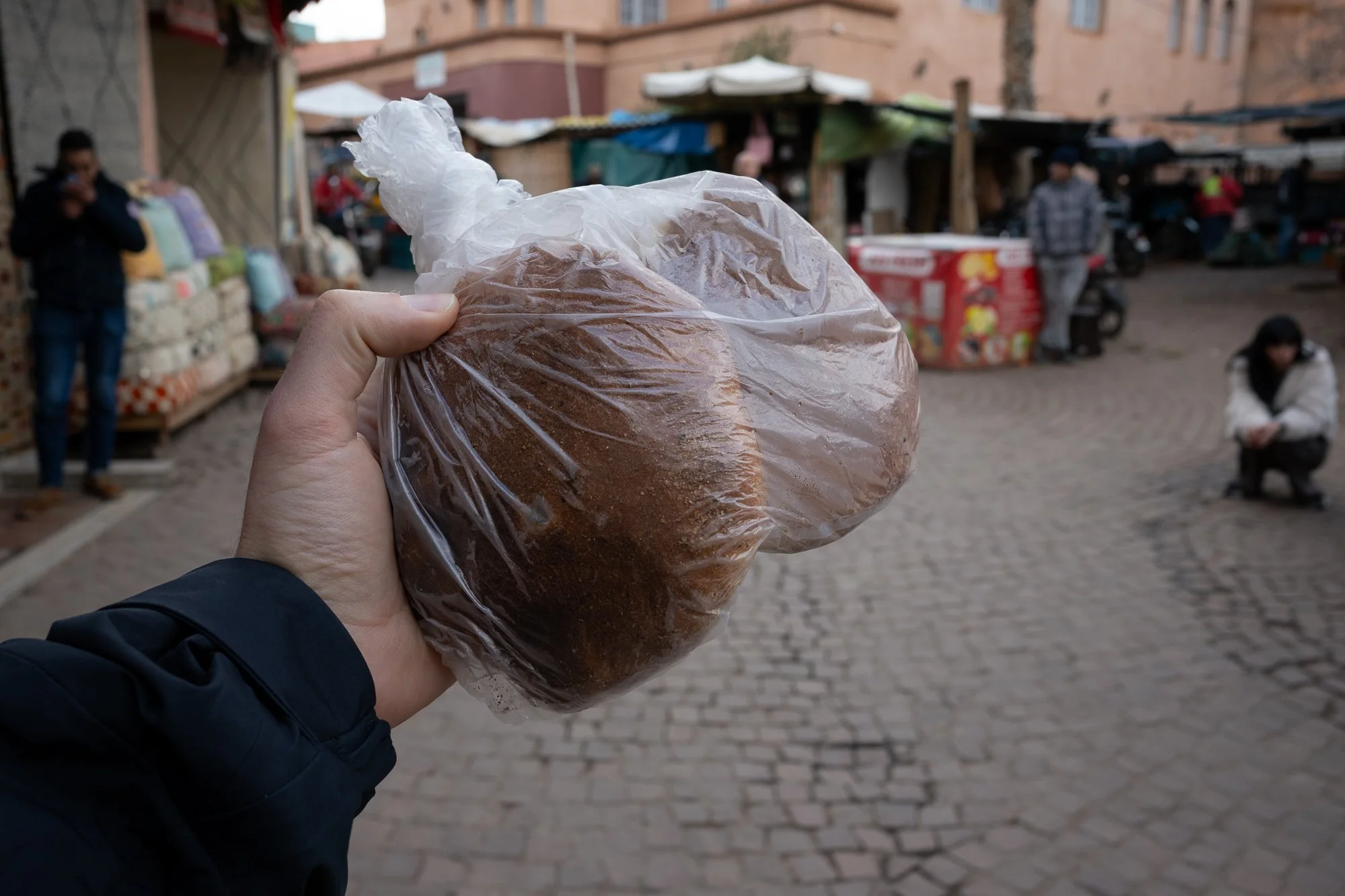
That usually makes people more friendly and also gives you access to spaces you wouldn’t normally visit. On another occasion, while I was walking around, I came across a traditional bakery. Since I was hungry, I decided to buy some bread. At the same time, it also gave me the opportunity to take a quick photo. Of course, I would not recommend buying things just for the sake of a photo, but be mindful that it changes how people see you.

Visit During The Low Season
I recommend visiting during the winter months. I visited Marrakech in January, and the smaller crowds made the photography experience more pleasant and allowed me to take it slow and enjoy my trip more. People also seemed more open and friendly during this time, probably because they were less overwhelmed by tourists and noise.
Let Go And Get Lost
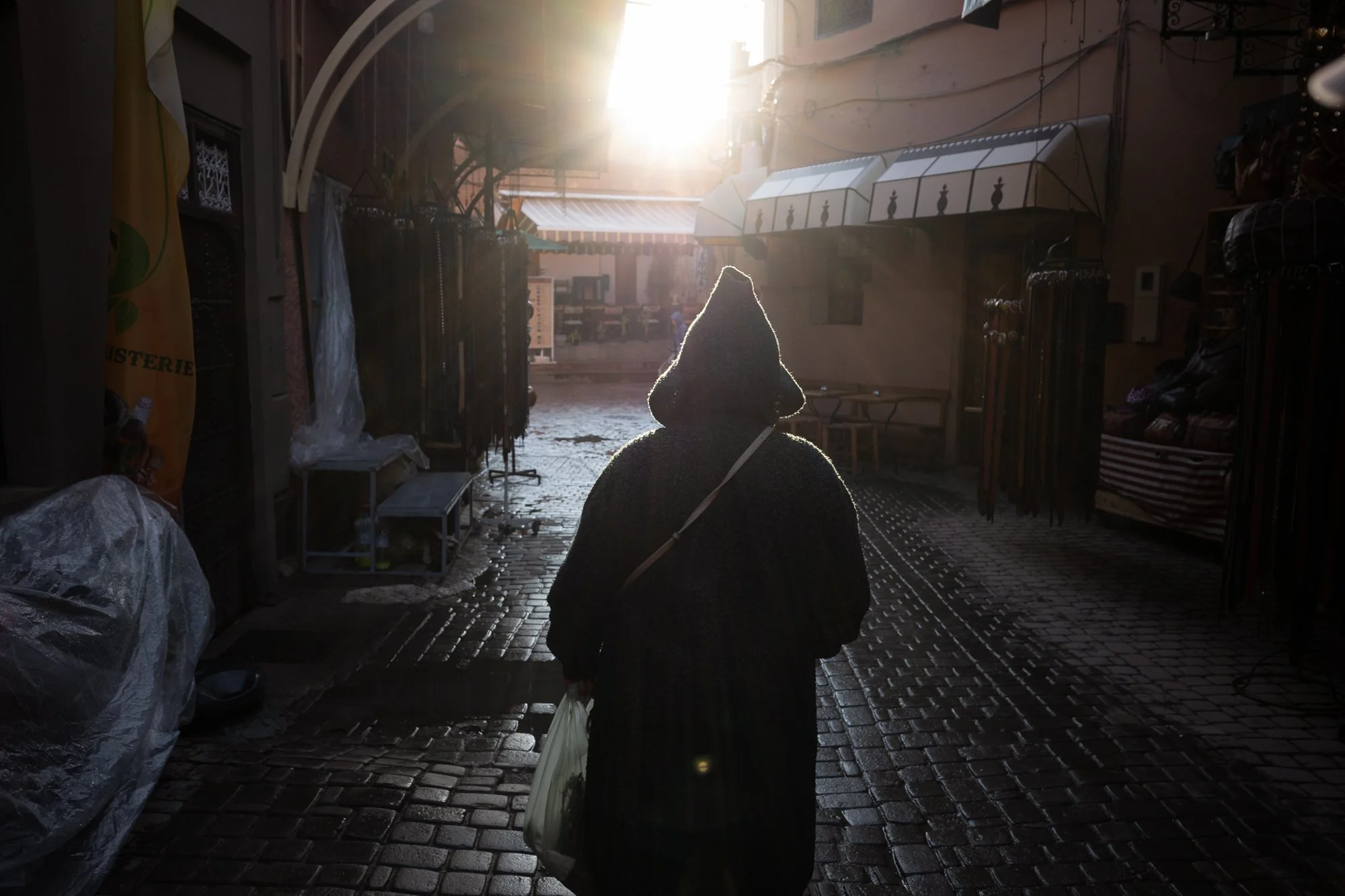
Finally, don’t be afraid to get lost in the medina and enjoy what it has to offer. The old town and its small alleys might look overwhelming at first, but it quickly becomes familiar. Despite what many people think, it is not that difficult to go around, and Google Maps was pretty accurate so I was never truly lost.
Final Thoughts
All in all, photographing in Marrakech can be a daunting experience, but also a very rewarding one. It’s hard to find another place with this level of color, energy, and life. If you’re willing to adapt and stay patient, it’s a place that will give you photographs you won’t get anywhere else. For a more visual overview of my experience photographing in Marrakech feel free to watch my youtube video as well.